A plastic tube filling line looks the same whether it packs face cream or antibiotic ointment — but the standards behind that machine could not be more different. If you are sourcing a cosmetic tube production line or a pharmaceutical tube filling machine in Southeast Asia, confusing the two is the single most expensive mistake a first-time buyer can make.
Vietnam, Thailand, Indonesia, and the Philippines are simultaneously the fastest-growing cosmetics markets and the fastest-growing generic-drug markets in Asia. Many contract packers serve both. This guide breaks down exactly where cosmetic and pharmaceutical tube standards diverge — across cleanroom grade, filling accuracy, validation, traceability, and material barriers — so you can specify the right tube filling and sealing machine the first time.
The 30-Second Takeaway
Cosmetic tube lines prioritize speed, flexibility, and low cost. Pharmaceutical tube lines prioritize contamination control, validated accuracy, and full documentation. The machines share 70% of their mechanics — but the last 30% (cleanroom integration, validation packages, audit trails) is what separates a $40,000 line from a $180,000 line.
1. The Regulatory Divide
The root difference is legal liability. A cosmetic that irritates skin is a complaint; a pharmaceutical that is contaminated or under-dosed is a recall, a patient injury, and potentially a criminal matter. Regulators treat the two categories accordingly.
ISO 22716 + Regional Cosmetic GMP
Cosmetics are governed by Good Manufacturing Practice for cosmetics (ISO 22716), the EU Cosmetic Regulation 1223/2009, and equivalents like ASEAN Cosmetic Directive (ACD) and FDA (Thai/Philippine) cosmetic notifications.
- No mandatory cleanroom grade — general GMP hygiene is sufficient
- No batch release by a Qualified Person (QP)
- Microbial limits are recommended, not legally binding in most SEA markets
- Documentation is light: batch records, basic HACCP
FDA cGMP + EU GMP Annex 1 + PIC/S
Pharma tubes fall under 21 CFR 210–211 (FDA cGMP), EU GMP Annex 1 (sterile/clean manufacturing), and PIC/S PE 009 for markets aligned with international inspectorate standards — which now includes most ASEAN pharmaceutical authorities.
- Defined cleanroom grades (typically Grade C or D background)
- Mandatory batch release by a Qualified Person
- Legally binding microbial and endotoxin limits
- Full validation lifecycle: DQ → IQ → OQ → PQ
- Data integrity per 21 CFR Part 11 / ALCOA+ principles
2. Ten-Parameter Comparison
Here is the side-by-side that matters when you write a purchase specification.
| Parameter | Cosmetic Tube Line | Pharmaceutical Tube Line | What It Means for You |
|---|---|---|---|
| Cleanroom grade | General GMP area, ISO 8 optional | Grade C/D, laminar-flow enclosures | Pharma needs controlled particulate & microbial environment |
| Filling accuracy | ±1.5% – 2.5% acceptable | ±0.5% – 1.0%, statistically validated | Under-dosing a drug = regulatory failure |
| Validation docs | Basic FAT optional | DQ/IQ/OQ/PQ + risk assessment | Pharma cannot operate without a validation file |
| Material barrier | Mono-layer LDPE/HDPE | Co-extruded + EVOH/alu barrier | Drug stability demands oxygen/moisture barrier |
| Cleaning (CIP/SIP) | Manual rinse between SKUs | Automated CIP, documented changeover | Cross-contamination is a critical pharma risk |
| Traceability | Batch-level only | Unit/line-level + audit trail | Pharma needs full recall capability |
| Data integrity | Not required | 21 CFR Part 11, ALCOA+ | Electronic records must be tamper-proof |
| Typical speed | 60–120 tubes/min | 30–80 tubes/min | Cosmetics favor throughput; pharma favors control |
| Sealing method | Hot-air or ultrasonic | Validated ultrasonic / heated jaw | Seal integrity is a critical quality attribute in pharma |
| Price range | $35k – $90k | $120k – $220k | Validation & cleanroom integration drive the gap |
3. Material & Barrier Requirements
Cosmetic creams are forgiving. A mono-layer LDPE or HDPE tube is enough to protect a moisturizer for 24 months on a shelf. The main job of the plastic tube making machine in cosmetics is to deliver a clean, attractive, leak-proof package.
Pharmaceuticals are not forgiving. A topical steroid, an antibiotic gel, or a fluoride paste will degrade if oxygen or moisture penetrates the wall. Pharma tubes therefore use co-extruded structures — typically 5-layer tubes with an EVOH or aluminium-foil barrier layer — plus an induction-sealed or membrane-protected orifice. The machine must handle these multilayer laminates without delamination at the seal.
Buyer Trap
If a supplier quotes you a single "tube filling machine" for both cosmetics and pharma at one price, ask which tube structures it handles. A line tuned for thin LDPE cosmetic tubes will fail seal integrity on 5-layer pharma laminate — and vice versa, a heavy laminate line wastes money on simple cosmetic SKUs.
4. Cleanroom & Environmental Control
This is where the two lines physically diverge on the factory floor.
Cosmetic lines sit in a standard air-conditioned room with good hygiene practice. Air handling is a nice-to-have, not a requirement.
Pharmaceutical lines must be integrated into a classified environment. For non-sterile semisolid drugs (the majority of tube-filled pharma products), the fill zone typically operates at Grade C background with Grade A laminar-flow protection at the point of fill, per EU GMP Annex 1. The pharmaceutical tube filling machine itself must be designed for easy disinfection — rounded surfaces, no dead legs, FDA-listed elastomers.
5. Filling Accuracy & Validation
Both lines weigh or check-weight each tube, but only pharma must prove the accuracy.
- Cosmetic: A checkweigher rejects out-of-tolerance tubes. ±2% is commercially acceptable.
- Pharmaceutical: Accuracy must be demonstrated through an OQ challenge — typically 3 consecutive batches at the extreme settings, with statistical confidence. Under-fill is a compliance breach; over-fill is lost margin but tolerated within validated limits.
YohoAI pharma-grade tube filling and sealing machines ship with a pre-built OQ protocol template and a servo-driven volumetric piston system capable of ±0.5% repeatability across the full speed range.
6. Documentation & Data Integrity
The biggest hidden cost difference is paper — or rather, validated electronic records.
A cosmetic line logs batch number and operator. A pharmaceutical line must maintain:
- Design Qualification (DQ) — did we buy the right machine?
- Installation Qualification (IQ) — was it installed to spec?
- Operational Qualification (OQ) — does it perform across parameters?
- Performance Qualification (PQ) — does it hold up in real production?
- An audit trail of every setting change, per 21 CFR Part 11
- ALCOA+ records: Attributable, Legible, Contemporaneous, Original, Accurate
The Practical Verdict
If you only pack cosmetics, do not pay for a Part 11 audit trail you will never use. If you pack pharmaceuticals — or plan to in 12 months — buy the validated line now. Retrofitting validation onto an unvalidated machine costs more than buying right the first time.
7. Cleaning & Changeover
Cosmetic brands change flavors and colors weekly. Pharma changes active ingredients rarely, but each change is high-risk.
Cosmetic lines use quick manual rinsing and color-coded change parts. Pharmaceutical lines need automated CIP (clean-in-place) cycles with documented rinse-water sampling proving no cross-contamination, plus a formal changeover checklist signed by QA.
8. Which Line Should You Buy?
- You pack skincare, toothpaste, hair gel, or cosmetics only
- Your market is purely ASEAN cosmetic-notified products
- Speed and SKU flexibility matter more than audit trails
- Budget is under $100k
- You pack any drug, medicated ointment, or API-containing gel
- You export to EU/US or supply hospital/pharmacy channels
- You need PIC/S or EU GMP inspectability
- You require validated accuracy and full traceability
Hybrid buyers (contract packers serving both): Buy the pharma-grade line with a cosmetic mode. The cleanroom integration and validation packages are "always on" but do not slow cosmetic runs. This is the configuration most Southeast Asian contract manufacturers adopt — and YohoAI's plastic tube filling line range is built exactly for this dual-mode operation.
9. YohoAI Equipment Recommendations
| Model | Best For | Speed | Key Feature |
|---|---|---|---|
| YT-60C | Cosmetic / SME | 60 tubes/min | Hot-air seal, quick-change, ≤$45k |
| YT-100C | Cosmetic / high-volume | 100 tubes/min | Ultrasonic seal, 5-layer capable |
| YT-80P | Pharmaceutical | 80 tubes/min | Grade C enclosure, ±0.5% servo fill, CIP |
| YT-120P | Pharma / dual-mode | 120 tubes/min | Part 11 audit trail, full DQ/IQ/OQ/PQ file |
Need Help Specifying Your Tube Line?
Tell us your product type (cosmetic or pharma), target speed, and export markets — we will send a tailored specification sheet and a validated-machine quotation within 48 hours.
Get a Specification SheetRelated Equipment
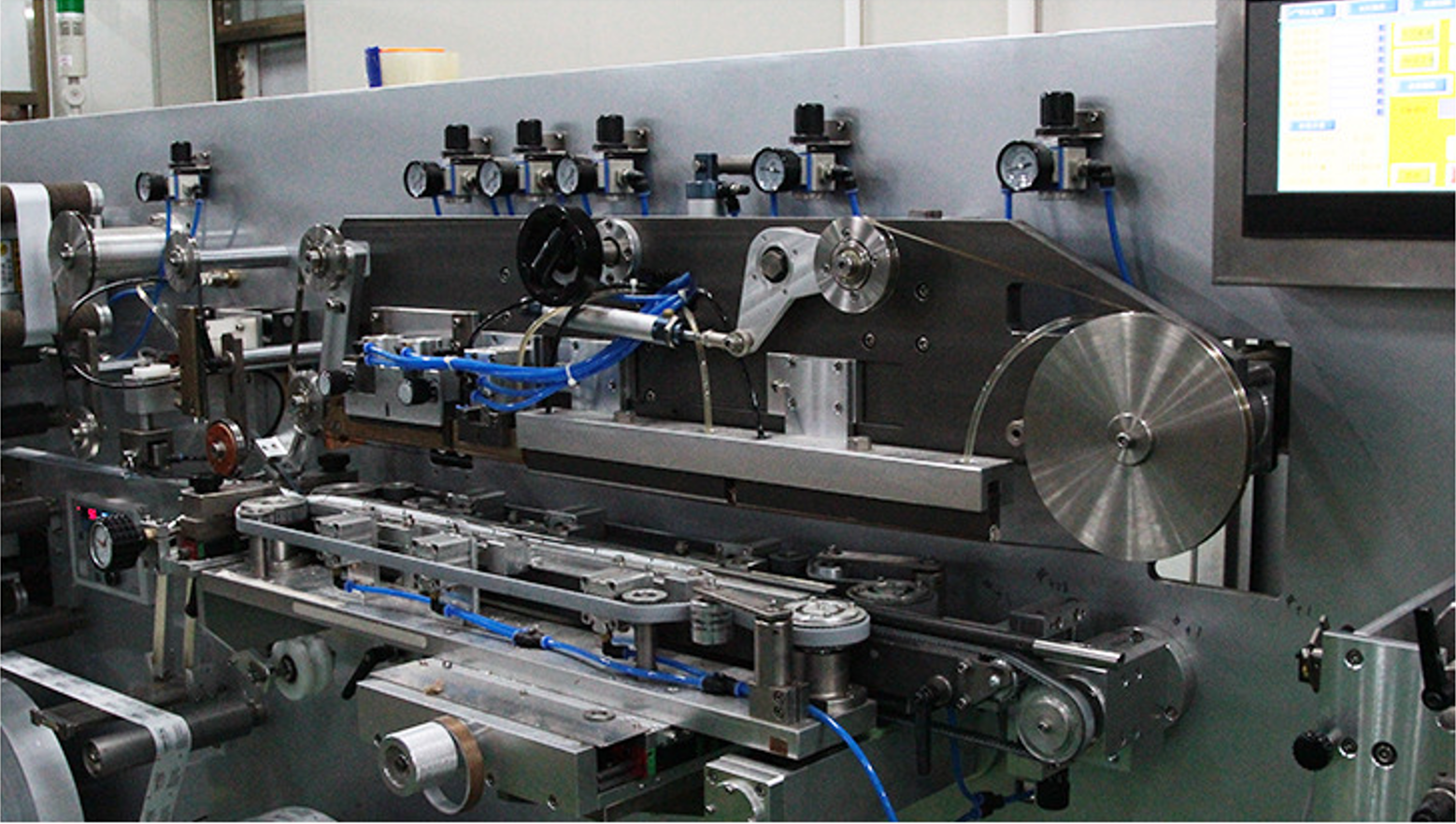
Plastic Tube Production Line
Tube making, filling, sealing & coding in one line
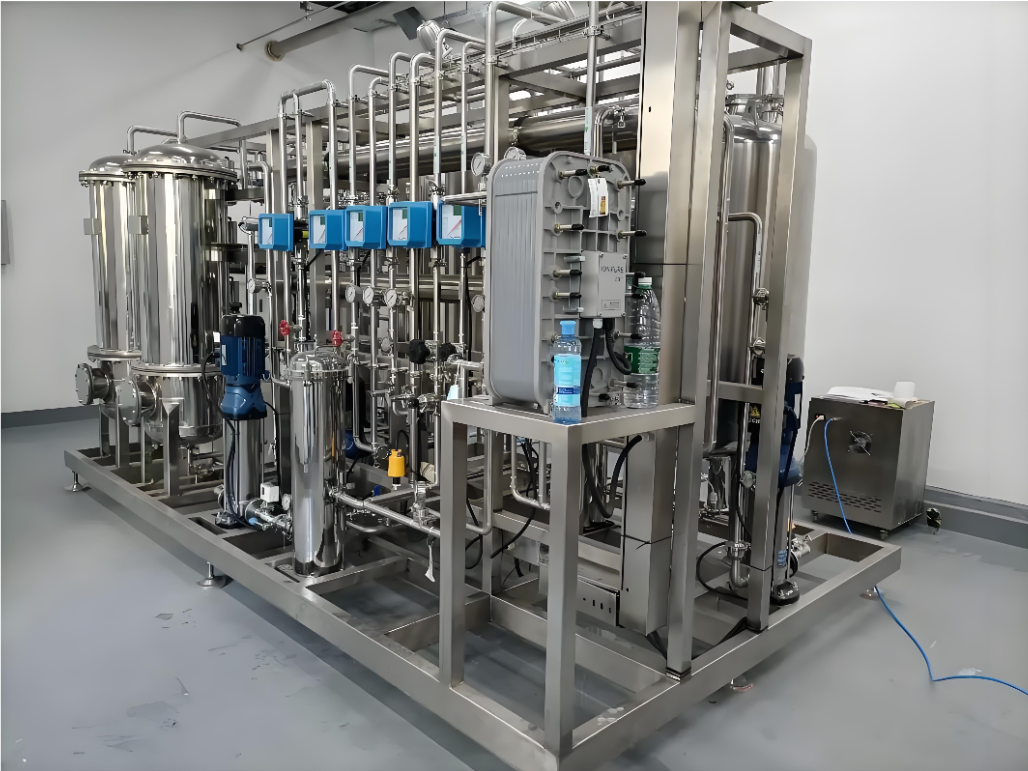
Purified Water System
GMP-grade WFI & PW for pharma tube lines