Practical guides, equipment comparisons, and GMP compliance insights for pharmaceutical and packaging equipment buyers worldwide.
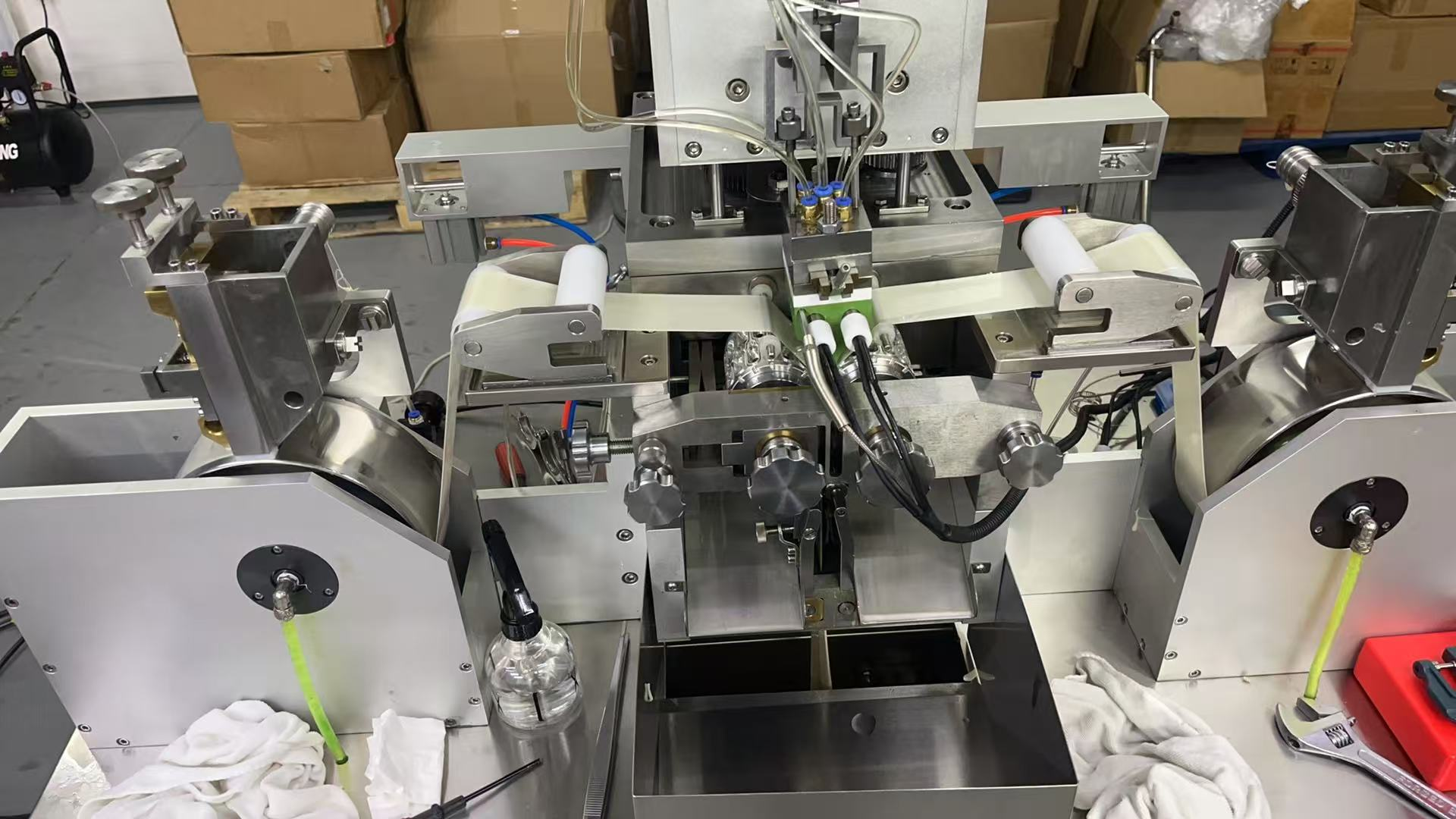
Soft gelatin capsules and hard HPMC capsules each serve different markets. This guide breaks down capacity, cost, formulation compatibility, and regulatory considerations to help buyers make the right choice.
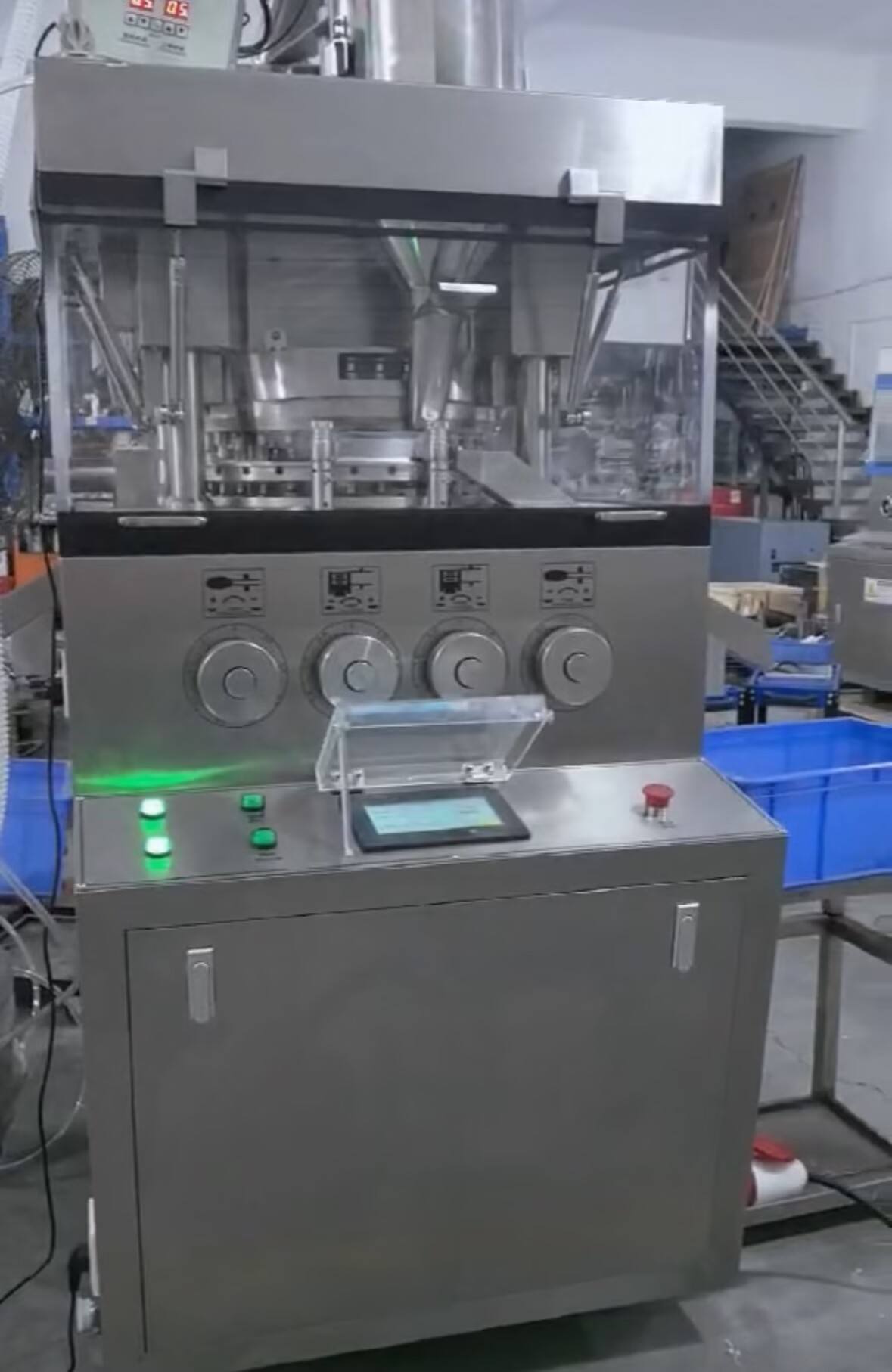
From single punch presses for R&D to 55-station high-speed rotary presses for mass production — this guide covers punch size selection, compression force, turret speed, and GMP compliance checklist.
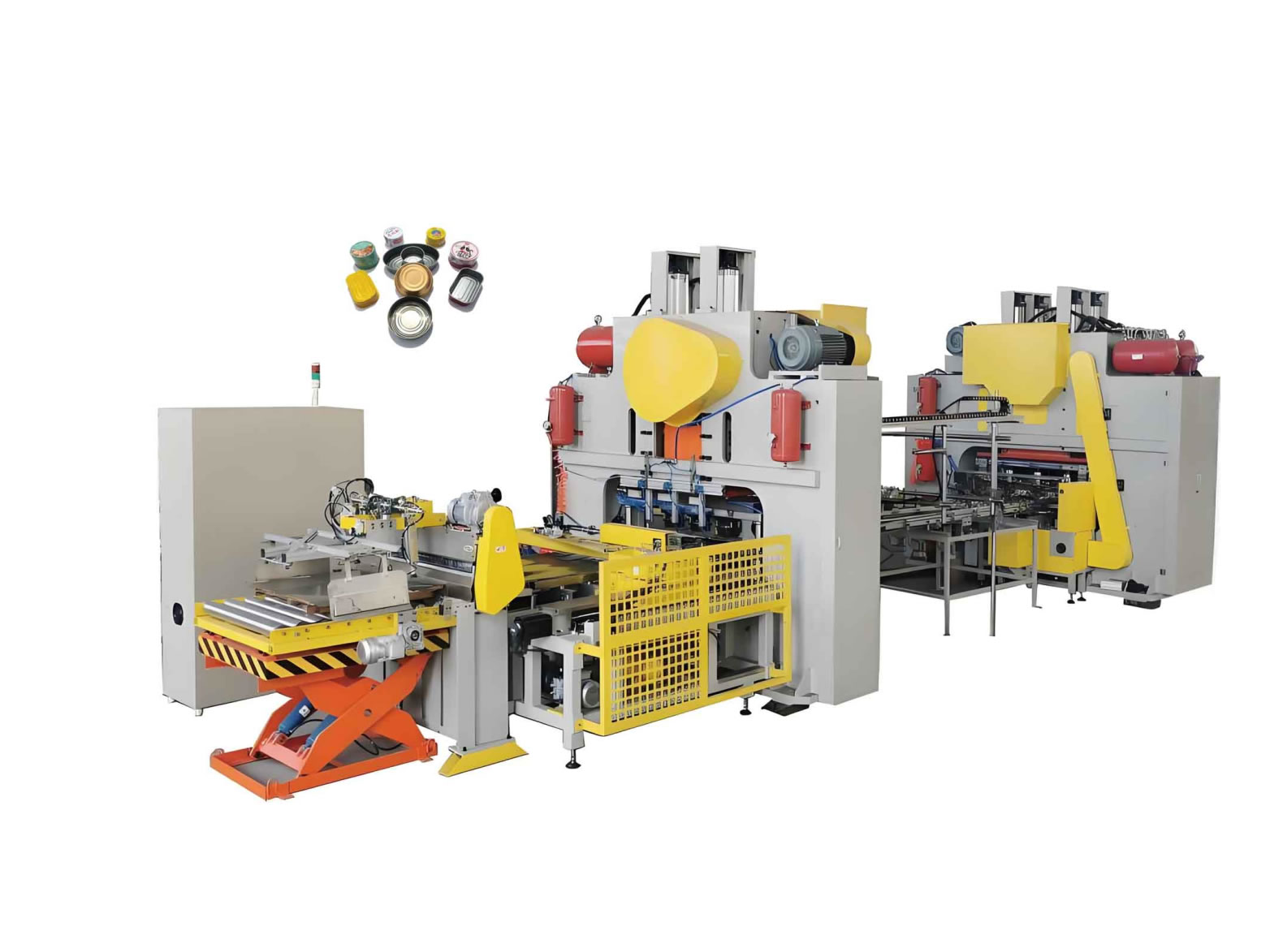
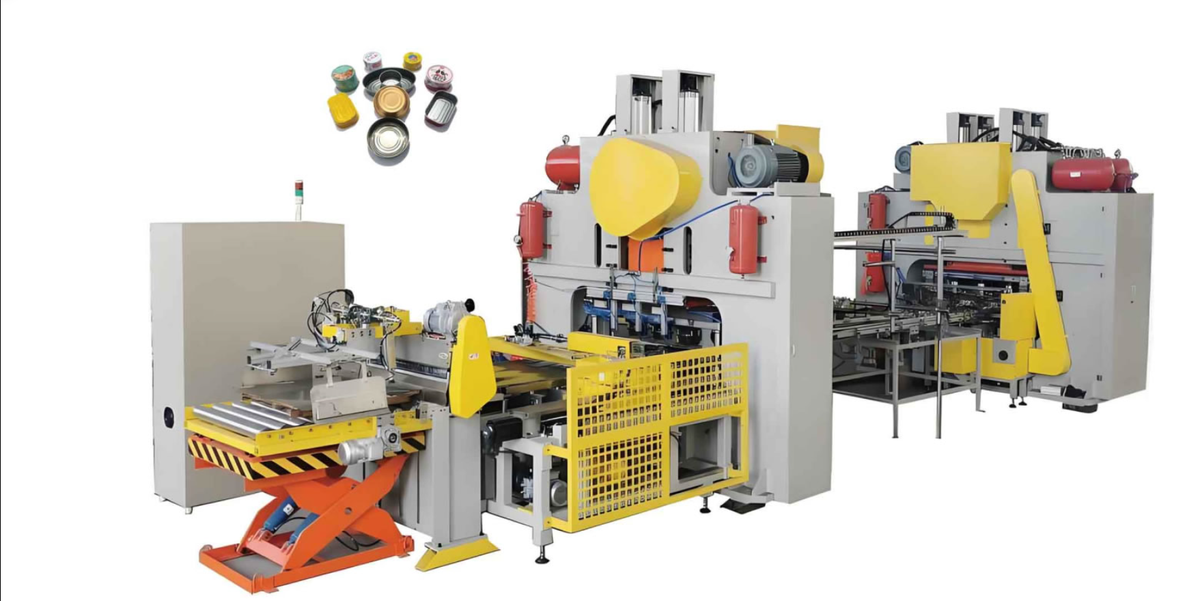
Understanding the full metal can production line — from tinplate slitting and cupping to body welding, seaming, and lithography. Includes equipment selection tips for food-grade and aerosol can manufacturers.
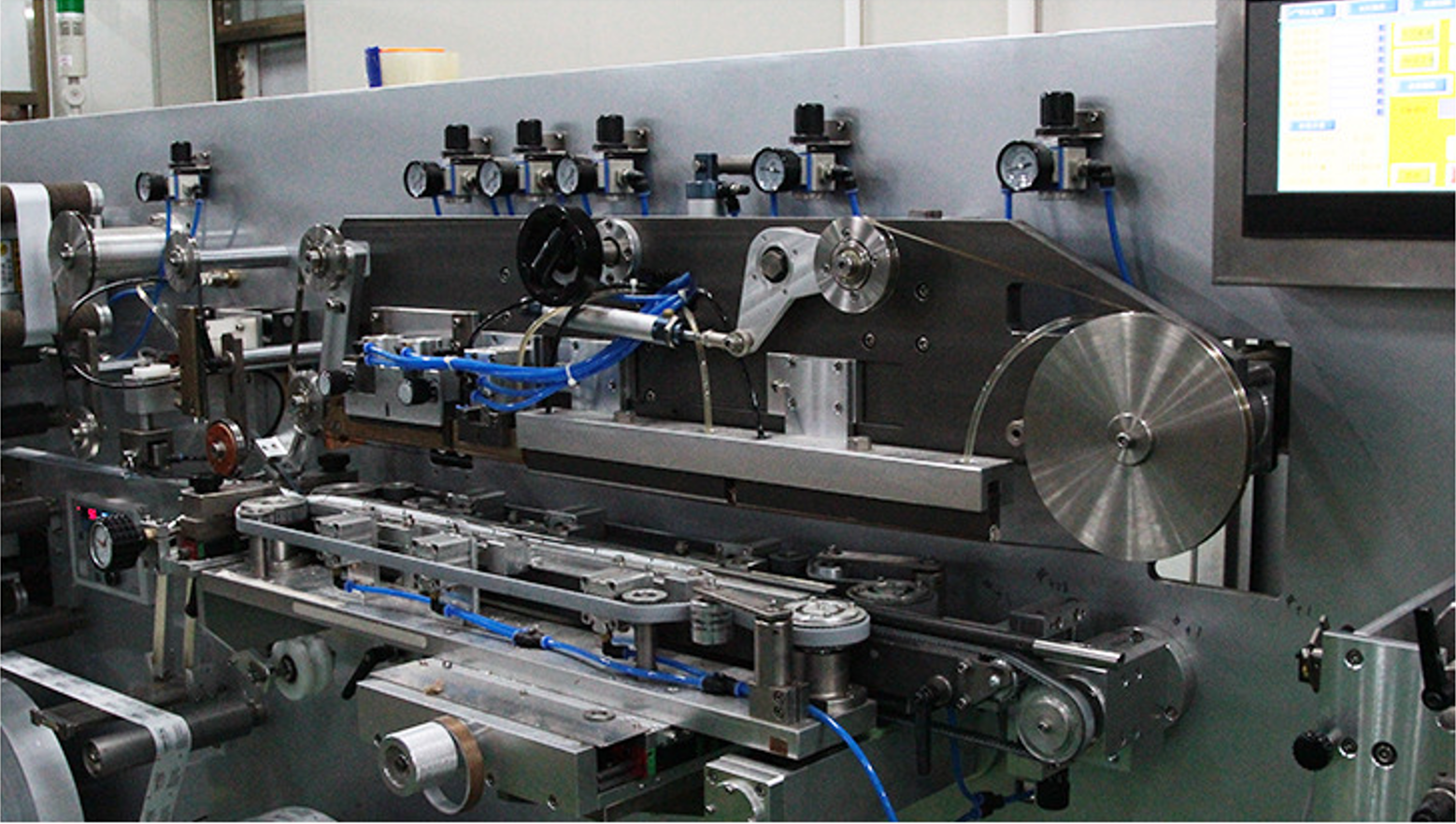
ABL (Aluminum Barrier Layer) vs PBL (Polymer Barrier Layer) tubes — which is right for your product? This guide covers tube material selection, barrier properties, production speed, and how to spec the right tube making machine.
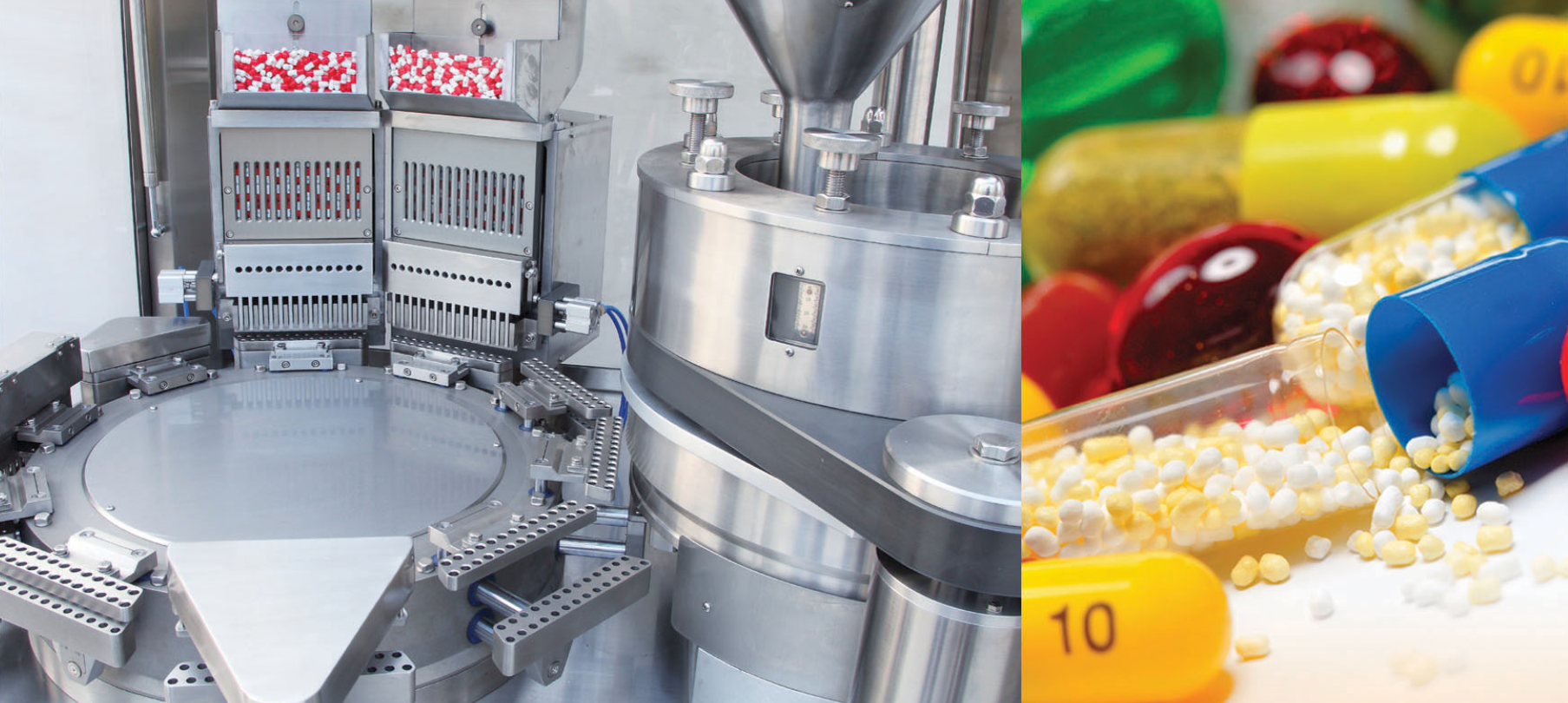
Different formulations require different capsule filling technologies. This article compares powder filling, pellet/granule encapsulation, and liquid filling — with machine specifications, advantages, and typical applications for each approach.
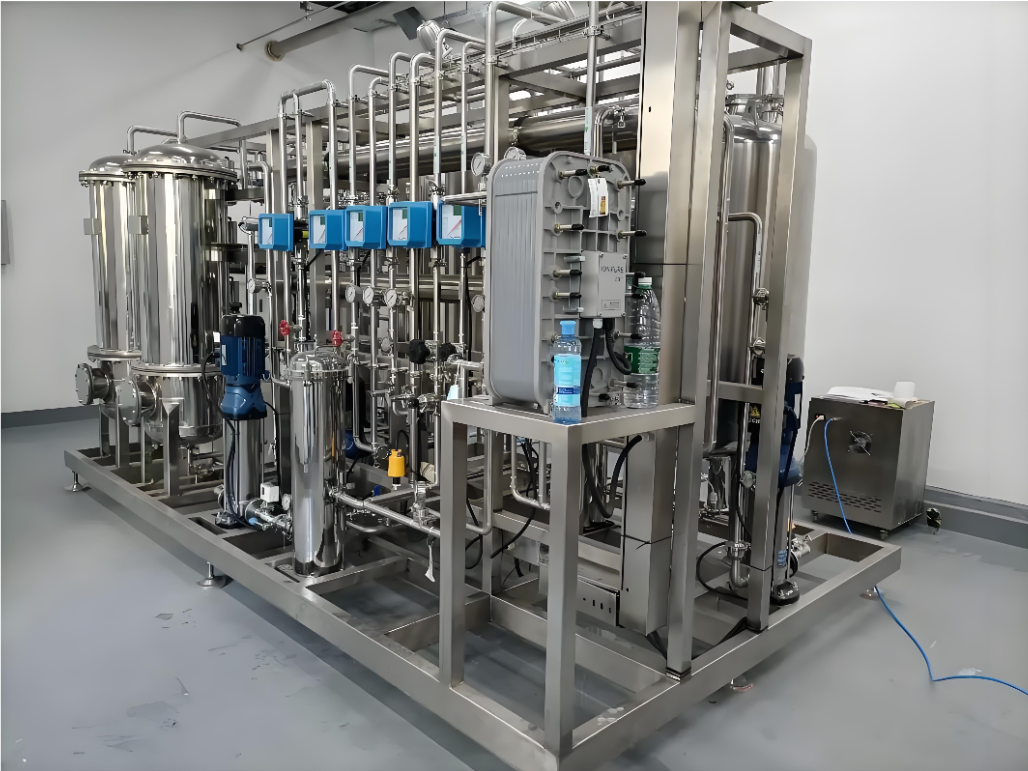
A GMP-compliant equipment purchase is not just about the CE mark. This checklist covers IQ/OQ documentation, material traceability (316L SS), surface roughness (Ra ≤ 0.8 μm), FDA 21 CFR Part 211, and how to audit a supplier's quality system.
Choosing between soft gelatin capsules (softgels) and hard HPMC/liquid-filled capsules is one of the earliest and most consequential decisions in pharmaceutical and nutraceutical product development. Get it wrong and you will face formulation instability, regulatory rejection, or a product that simply cannot compete in the market.
This guide breaks down the technical, commercial, and regulatory dimensions of each technology so you can make an informed decision for your specific product and target market.
Softgels consist of a one-piece hermetically sealed shell filled with a liquid or suspension formulation. The shell is made from gelatin (or alternative polymers like pullulan) combined with plasticizers like glycerin or sorbitol.
Hard capsules consist of two telescoping shells (body and cap) filled with powder, granules, pellets, or in some cases, liquid/semi-solid fills. Modern alternatives to gelatin include HPMC (hydroxypropyl methylcellulose), pullulan, and starch.
Softgels excel at protecting oxygen-sensitive oils. Hard capsules excel at delivering precise powder doses cost-effectively.
| Parameter | Soft Gelatin Capsules | Hard HPMC/Gelatin Capsules |
|---|---|---|
| Typical Speed | 15,000 – 120,000 caps/hour | 6,000 – 228,000 caps/hour |
| Capital Investment | $80,000 – $500,000+ | $15,000 – $300,000 |
| Fill Type | Liquids, suspensions, pastes | Powder, pellets, mini-tablets, liquid |
| Operator Skill Required | High (process complexity) | Medium (easier changeover) |
| Ideal Batch Size | Medium to large (100,000+) | Small to large (flexible) |
Some manufacturers choose both technologies — a hard capsule line for powder formulations and a separate softgel line for oil-based products. YohoAI offers both NJP hard capsule filling machines and rotary die softgel encapsulation lines, allowing you to serve a broader product portfolio from a single manufacturing partner.
Our technical team has 15+ years of experience helping pharmaceutical and nutraceutical manufacturers select the right encapsulation equipment. Share your formulation requirements and target market — we will recommend the right technology.
Request Technical ConsultationTablet press machines are the backbone of pharmaceutical and nutraceutical solid-dose manufacturing. A poor choice at the specification stage can cost you in production efficiency, tablet quality, regulatory compliance, and ultimately, your bottom line.
From small R&D presses with a single punch to high-speed rotary presses with 55 stations, this guide walks you through every key decision point.
16 stations: ~30,000–50,000 tabs/hr · 27 stations: ~80,000–120,000 tabs/hr · 45 stations: ~200,000+ tabs/hr
| Punch Type | Tablet Diameter | Typical Fill Depth | Common Application |
|---|---|---|---|
| DB (Standard) | 6 – 20 mm | Medium | General pharmaceutical tablets |
| B (European Standard) | 8 – 12 mm | Shallow to medium | Standard tablet sizes, most common |
| BB (European Large) | 11 – 23 mm | Medium to deep | Larger tablets, veterinary products |
| Custom tooling | 3 – 30+ mm | Varies | Specialized applications |
Expressed in kilonewtons (kN). Most pharmaceutical presses operate at 50 – 100 kN for standard tablets. Higher compression force is needed for dense or hard-to-compress formulations. Ensure the machine's maximum compression force accommodates your formulation requirements with a 20% safety margin.
Turret rotation speed directly determines throughput. However, speed and compression force interact — higher speeds may require lower compression force depending on your formulation. Look for machines with variable speed control for maximum flexibility.
Two-stage compression (pre-compression followed by main compression) produces denser, more uniform tablets with better binding characteristics. This is standard on most rotary presses — verify it is available if your formulation requires it.
Modern presses use weight feedback control systems with weight sensors on the turret that continuously adjust fill depth. This maintains consistent tablet weight within tight tolerances (±1–2%) during production runs.
YohoAI supplies single punch and rotary tablet presses from 1 to 55 stations. Tell us your production volume, tablet size, and formulation requirements — we will recommend the right specification.
Get a Customized QuoteMetal can manufacturing is a high-volume, precision-driven process that transforms flat tinplate sheets into hermetically sealed containers for food, beverages, aerosols, and industrial products. Understanding the equipment line helps buyers make better procurement decisions.
| Feature | Two-Piece Cans | Three-Piece Cans |
|---|---|---|
| Structure | Single drawn body + one end | Body cylinder + two ends |
| Welding required | No (drawn in one piece) | Yes (longitudinal seam) |
| Typical diameter | 50 – 153 mm | 52 – 155 mm |
| Typical height | Up to 300 mm | Up to 250 mm |
| Production speed | Up to 600 cans/min | Up to 300+ cans/min |
| Applications | Beverage cans, food cans | Food, aerosol, paint, chemical |
Standard speeds range from 30 – 150 cans/min for 3-piece can lines, and up to 300 – 600 cans/min for 2-piece draw-and-iron lines. Match line speed to your projected production volume and consider future expansion capacity.
Verify the machine's minimum and maximum diameter and height specifications. Some lines handle a wide range; others require dedicated tooling for specific can sizes. If you plan to produce multiple SKUs, consider a line with quick-change tooling.
Modern high-efficiency lines achieve 95–98% material utilization (ratio of finished cans to input tinplate weight). Higher utilization means less scrap and lower raw material costs over time.
YohoAI supplies complete metal can and lid manufacturing lines: slitting, cupping, body welding, flanging, seaming, and lid stamping equipment. Tell us your can size range and production target — we will configure the right line.
Get a Customized QuotePlastic tubes are one of the most versatile and cost-effective packaging formats for pharmaceuticals, cosmetics, and food products. But not all tubes are created equal — and choosing the wrong tube or equipment can lead to product compatibility failures, customer complaints, and costly recalls.
ABL tubes have a thin aluminum foil barrier layer laminated between the outer print web and the inner liner. The aluminum provides an absolute barrier against oxygen, light, and moisture — making ABL tubes ideal for products that are highly sensitive to oxidation or require a moisture barrier.
PBL tubes use evoh or similar polymer barrier co-extrusion instead of aluminum. Modern PBL tubes achieve excellent barrier properties without metal, offering a more flexible, squeezable tube with good oxygen resistance.
Need the highest barrier for sensitive pharmaceuticals? Choose ABL. Need flexible, squeezable consumer tubes with good barrier? Choose PBL. For standard cosmetic and OTC applications, PBL is often the better economic choice.
| Parameter | ABL Tube Machine | PBL Tube Machine |
|---|---|---|
| Tube diameter range | 13 – 50 mm | 19 – 60 mm |
| Production speed | Up to 100 tubes/min | Up to 150 tubes/min |
| Tube length | 50 – 200 mm | 50 – 250 mm |
| Barrier material | Aluminum foil laminate | EVOH co-extrusion |
| Typical wall thickness | 0.4 – 0.8 mm | 0.35 – 0.7 mm |
The tube filling machine is typically a separate machine from the tube extrusion line. Key considerations:
YohoAI supplies ABL and PBL tube making machines as well as tube filling and sealing equipment. Tell us your product type, required barrier properties, and production target — our team will configure the right system.
Request a Customized QuoteNot all capsule filling machines handle all formulation types equally well. Choosing the right filling principle for your specific formulation — powder, pellets, or liquid — is critical for achieving accurate dosing, efficient production, and regulatory compliance.
The most common capsule filling method, used for the majority of pharmaceutical capsule products worldwide.
Pellet encapsulation is increasingly popular for controlled-release and enteric formulations.
A specialized application for formulations that cannot be tableted or filled as powders.
Powder formulations → NJP powder filling · Pellet formulations → NJP pellet filling · Oil-based liquids → Liquid hard capsule filler or softgel · Thermolabile liquids → Cold filling liquid capsule machine
| Specification | Powder Filling | Pellet Filling | Liquid Filling |
|---|---|---|---|
| Fill weight range | 50 mg – 1,000 mg+ | 100 mg – 1,200 mg | 100 mg – 1,500 mg |
| Typical speed | 6,000 – 228,000 caps/hr | 6,000 – 150,000 caps/hr | 3,000 – 60,000 caps/hr |
| Dosage accuracy | ±2–5% | ±1–3% | ±1–2% |
| Machine complexity | Medium | Medium | High |
| Capital cost | $$ – $$$ | $$ – $$$ | $$$ – $$$$ |
Not sure which capsule filling technology is right for your product? Share your formulation details, target dose, and production volume — our technical team will recommend the most suitable NJP capsule machine configuration.
Request Technical ConsultationBuying pharmaceutical equipment without verifying GMP compliance upfront is one of the most costly mistakes a manufacturer can make. Non-compliant equipment can result in failed regulatory audits, product recalls, import bans, and reputational damage that far exceed the original equipment savings.
This article covers what buyers must verify before signing a purchase order.
GMP (Good Manufacturing Practice) compliance for equipment means the machine is designed, manufactured, documented, and validated to meet the regulatory requirements for pharmaceutical production. It is not just about having a CE mark — it is about having documented evidence that the equipment performs as specified and meets the quality standards required by regulators.
Installation Qualification (IQ) and Operational Qualification (OQ) documentation must be provided as standard, not as an optional add-on. IQ confirms the equipment was received and installed correctly per the specification. OQ confirms the equipment operates within defined parameters under normal conditions.
All product contact surfaces must be made from 316L stainless steel (or equivalent pharmaceutical-grade material). This is not optional.
Surfaces must be seamless and easy to clean — no crevices, pits, or areas where product residue can accumulate. Verify:
If you are selling products in the United States, your equipment's control system must comply with 21 CFR Part 11 — which governs electronic records and signatures in pharmaceutical manufacturing.
EU GMP Annex 1: Manufacture of Sterile Medicinal Products (revised 2022) sets the most stringent requirements for equipment used in sterile manufacturing. Key points:
Before purchasing, conduct a supplier audit or request evidence of the supplier's own quality certifications:
Supplier says "our equipment is GMP compliant" but refuses to provide documentation samples. · No material certificates for contact parts. · Cannot provide references from pharmaceutical customers. · IQ/OQ offered as a paid extra rather than standard. · Equipment built to generic industrial standards, not pharmaceutical standards.
Equipment must support complete batch traceability — every production batch should be traceable to:
Request the equipment's recommended calibration schedule and maintenance plan upfront:
Before shipment, insist on a Factory Acceptance Test at the manufacturer's facility:
After installation at your facility, conduct a Site Acceptance Test:
YohoAI supplies pharmaceutical equipment with full IQ/OQ documentation packages, CE certification, and references from EU GMP-compliant installations. Our technical team supports FAT and SAT for every major installation. Contact us to discuss your compliance requirements.
Request GMP Documentation Package