If you're in the market for a softgel encapsulation machine, you've probably noticed that every supplier lists similar specs — and they all look good on paper. But when you actually run production, the gap between "quoted capacity" and "real output" can be shockingly wide.
After 15+ years of manufacturing and exporting soft capsule production lines to Europe, Southeast Asia, and beyond, we've helped hundreds of buyers avoid the same costly mistakes. Here's what actually matters when evaluating a soft capsule machine:
What This Guide Covers
5 technical parameters every capsule equipment buyer should verify before signing a contract — with real benchmark numbers for pharmaceutical-grade production.
Production Capacity: Rated vs. Achievable Output
Most manufacturers advertise theoretical hourly output (e.g., "up to 180,000 capsules/hour"). But in real-world pharmaceutical production, achievable output is typically 70–85% of the rated figure — depending on product formulation, capsule size, and operator skill.
What to ask: "What is your verified sustained output over an 8-hour shift, not just the peak rate?"
Reliable range: 20,000–160,000 caps/hr (actual, not rated) RG-3800 series: ~38,000 caps/hr RG-8800 series: ~88,000 caps/hrCapsule Size Range & Compatibility
Soft capsules come in a wide range of sizes — from 3 oval to 22 oblong. A machine that only handles 1–5 sizes will limit your product portfolio. For European and Southeast Asian markets, you'll typically need support for:
- Oval sizes: 3, 5, 6, 7
- Oblong sizes: 10, 12, 16, 20
- Round sizes: 3, 5, 7
Pro tip: If you're manufacturing omega-3 or probiotic softgels, check whether the machine supports HPMC (vegetarian) capsules — demand is growing rapidly in Germany, France, and Southeast Asia.
Minimum: 3–22 size range Dual gelatin + HPMC compatibilityFill Weight Accuracy (± tolerance)
This is the most critical quality parameter. Off-spec fill weights mean wasted product, failed batch tests, and potential regulatory violations. Look for machines with:
- Fill weight tolerance: ≤ ±2% (European GMP standard)
- In-process weight control system with real-time monitoring
- Auto-rejection of underfilled/overfilled capsules
A machine with ±5% tolerance may seem acceptable, but at 50,000 capsules/hour, that's thousands of off-spec units per shift — a major compliance risk.
±2% tolerance or better In-line weighing system includedGMP Compliance & Certifications
For export to Europe, your equipment must meet cGMP (current Good Manufacturing Practice) standards. For Southeast Asian markets (Indonesia, Vietnam, Thailand), check local FDA requirements.
Essential certifications to verify:
| Certification | Why It Matters | Target Markets |
|---|---|---|
| CE Marking | EU safety/health/environmental compliance | Germany, France, Italy, Spain, Poland |
| cGMP | Pharmaceutical quality system standard | USA, EU, WHO-certified markets |
| ISO 13485 | Medical device quality management | Global pharma equipment |
| EU GMP Annex 1 | Sterile manufacturing environment | EU pharmaceutical |
Watch out: Some suppliers offer "CE-like" or "CE tested" equipment — this is not the same as certified CE marking. Request the actual certificate.
Total Cost of Ownership (TCO) — Not Just Purchase Price
The cheapest machine is rarely the cheapest option over 5 years. Before comparing quotes, calculate the full TCO including:
- Spare parts cost & availability — Can you get replacement dies, rollers, and seals within 48 hours?
- Energy consumption — Softgel encapsulators range from 15 kW to 45 kW depending on capacity
- Die & mold change frequency — Higher-quality dies last 3–5x longer
- Training & installation support — On-site FAT (Factory Acceptance Test) vs. remote support
- Warranty terms — 12 months vs. 24 months full coverage
A machine priced 20% lower with double the die replacement frequency will cost 40–60% more over 5 years than a premium model.
Quick Comparison: Entry-Level vs. Mid-Range vs. Premium
| Parameter | Entry-Level | Mid-Range (Recommended) | Premium |
|---|---|---|---|
| Capacity (actual) | 10,000–30,000 caps/hr | 38,000–88,000 caps/hr | 120,000–180,000 caps/hr |
| Fill tolerance | ±5% | ±2–3% | ±1.5% |
| Capsule size range | 3–8 sizes | 3–22 sizes | Full 3–22 + HPMC |
| Certifications | Basic CE | CE + cGMP + ISO | Full EU GMP + CE + ISO 13485 |
| 5-year TCO estimate | Low upfront, high maintenance | Best balance | High upfront, low maintenance |
| Best for | R&D, small batches | Commercial production, export | Large-scale pharma contracts |
3 Questions to Ask Every Supplier Before Buying
- "Can you provide a video of the machine producing capsules in real-time — not just a factory tour?" If they can't show actual production footage, be cautious about their capacity claims.
- "What is your average lead time for spare parts, and do you keep them in stock?" For pharmaceutical production, even 1 week of downtime can cost more than the machine itself.
- "Do you offer on-site installation and validation support in [your country]?" Remote support is insufficient for cGMP validation — you need hands-on expertise for IQ/OQ/PQ documentation.
Need a Tailored Quote for Your Production Line?
YohoAI engineers will help you select the right soft capsule machine based on your target capacity, capsule size range, and export market requirements. Free technical consultation included.
Request a Free QuoteRelated Equipment
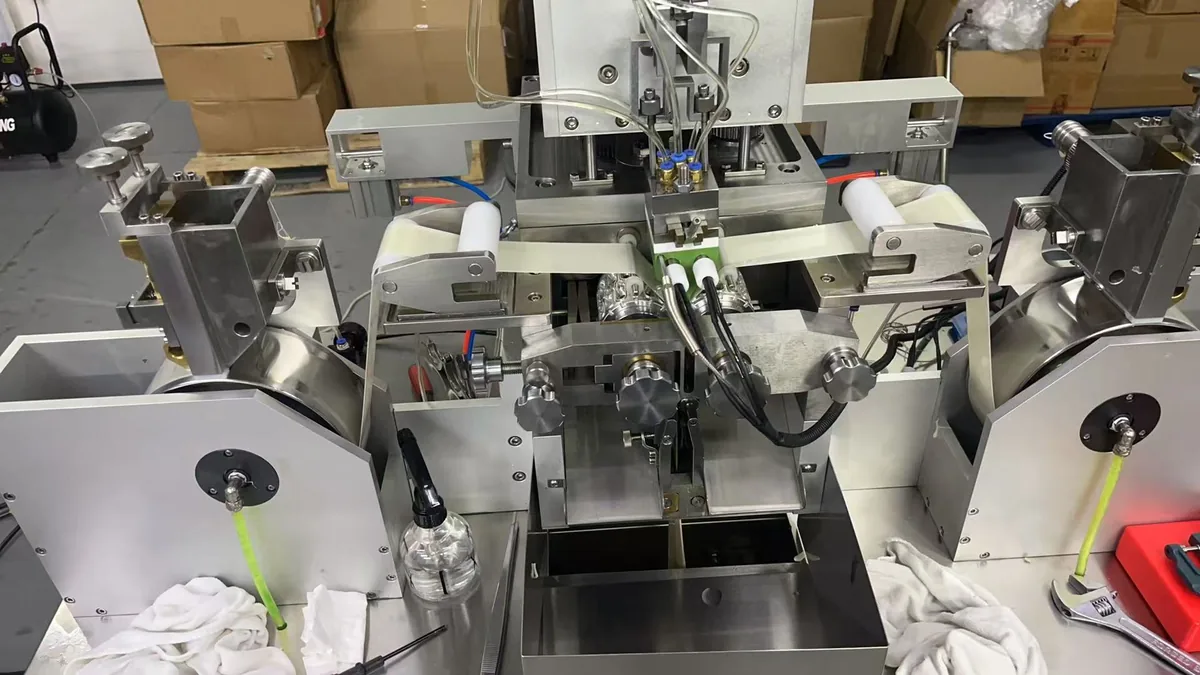
RG Series Soft Capsule Production Line
30,000–180,000 caps/hr | CE & cGMP certified | 3–22 capsule sizes
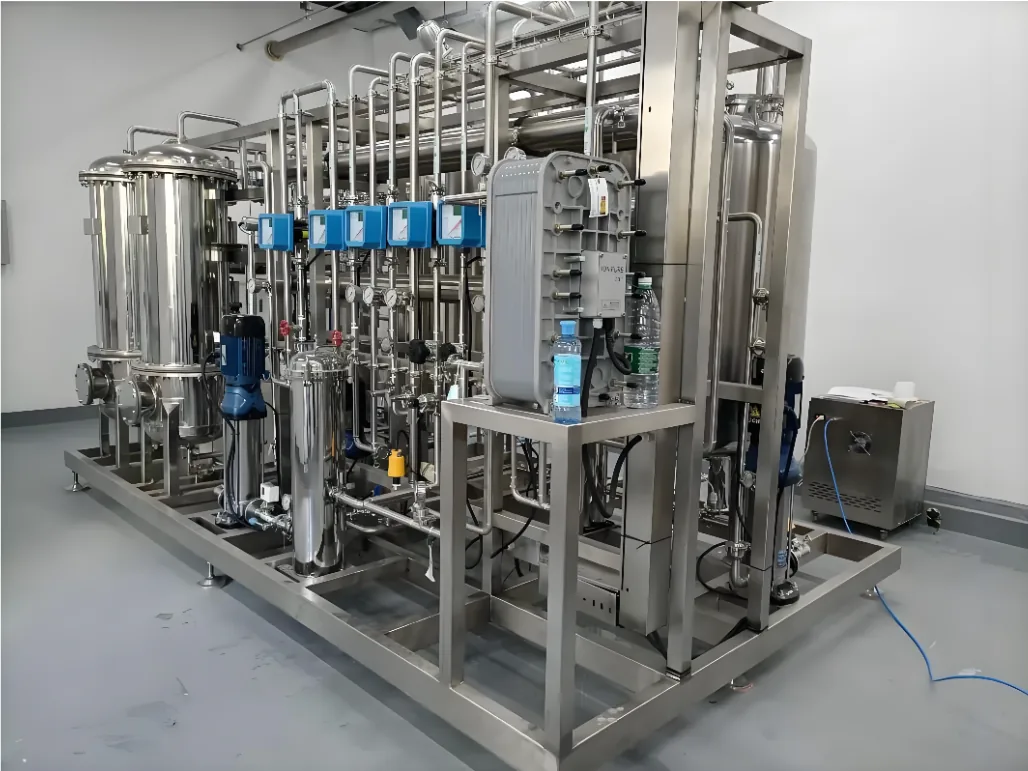
PW Series Purified Water System
GMP-compliant WFI-quality water for pharmaceutical production
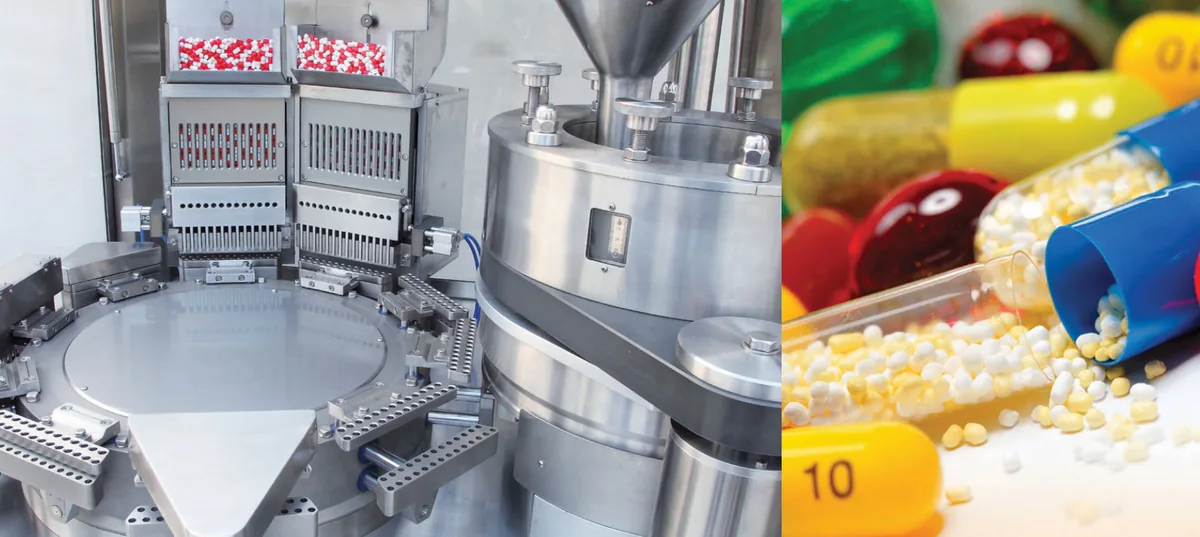
Hard Capsule Filling Machine
Powder, pellet, and liquid filling | EU GMP compatible