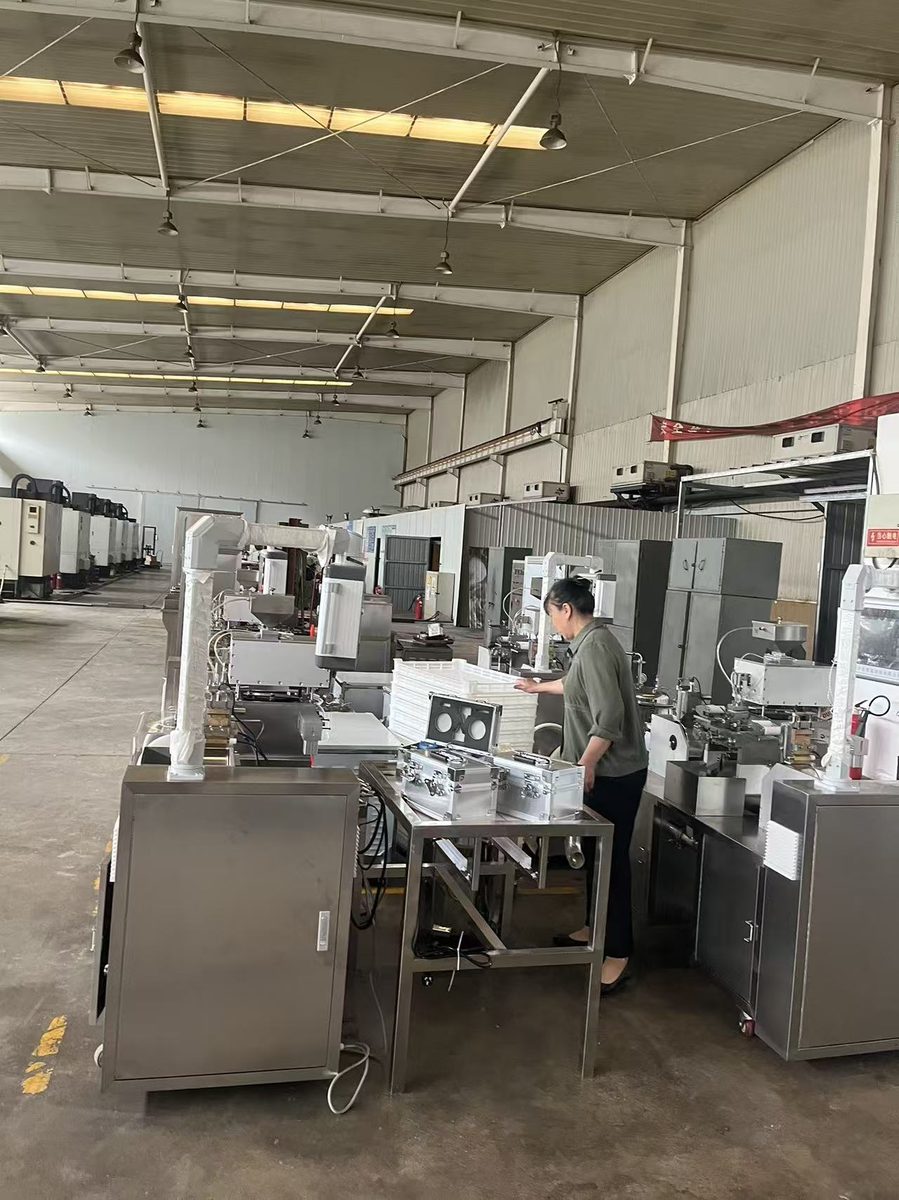
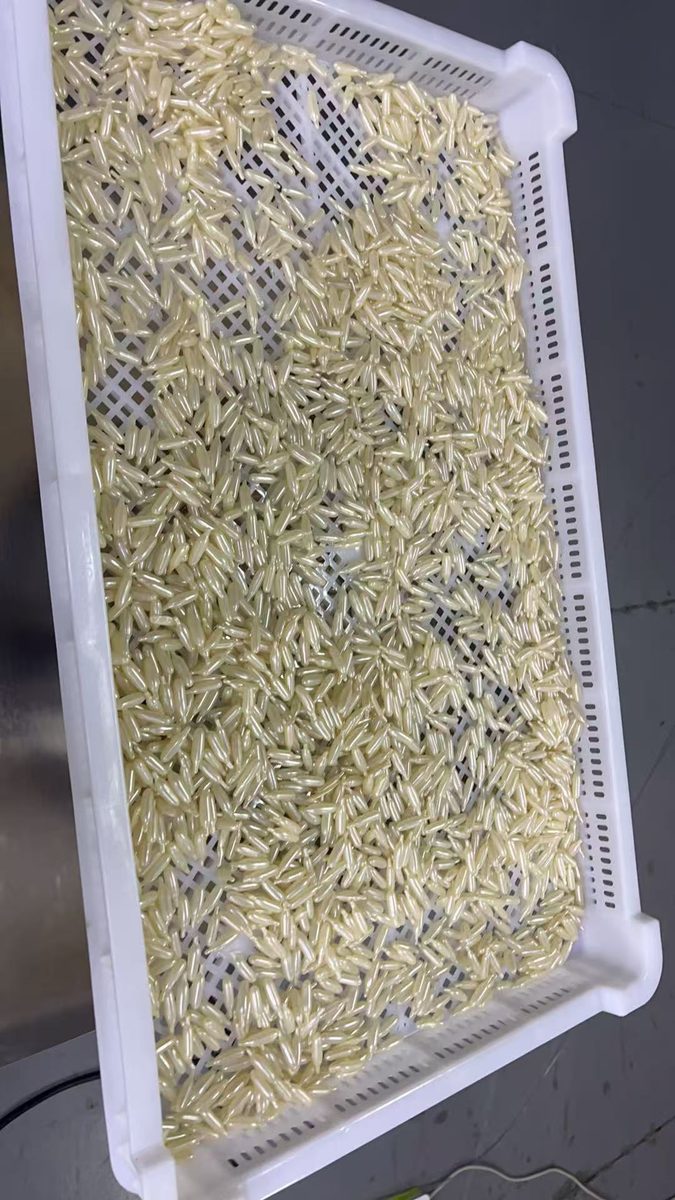
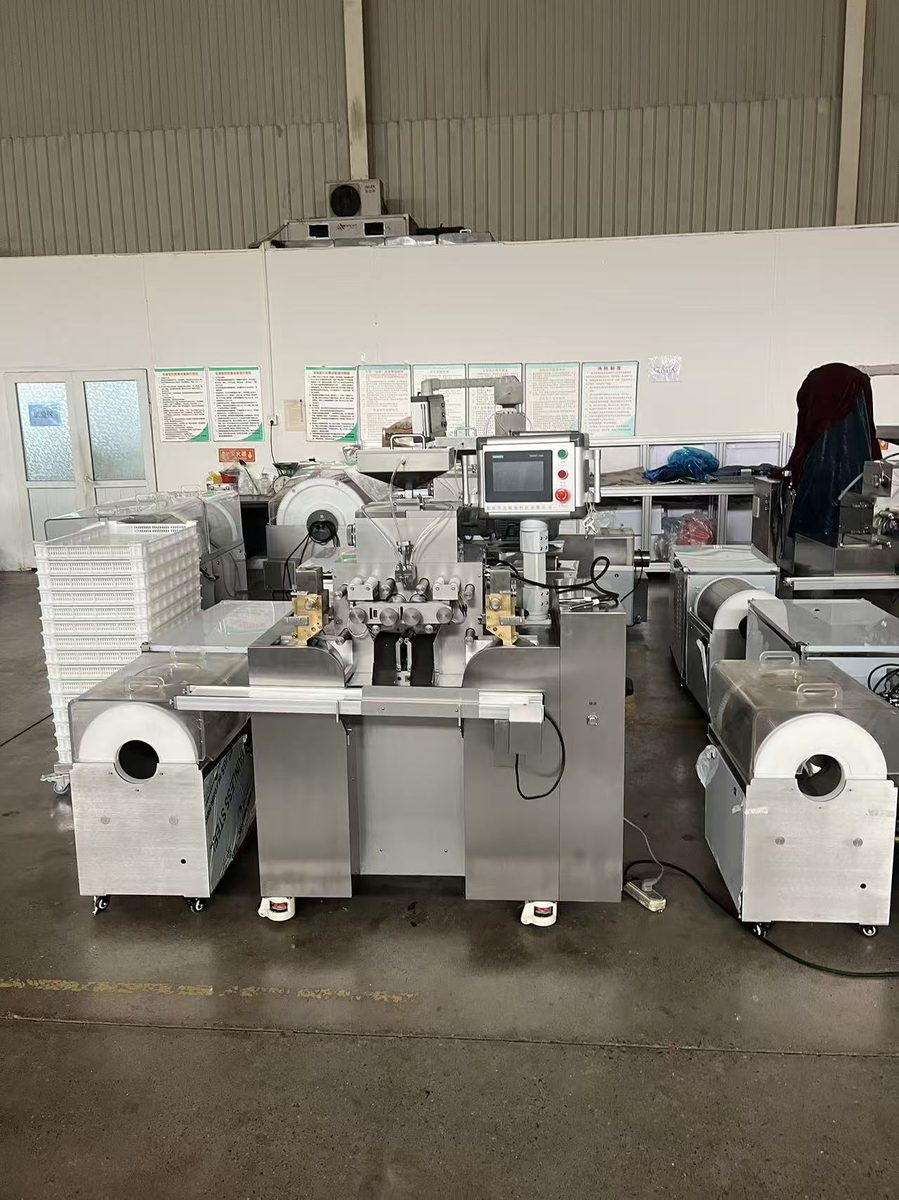
Solve shelf stability, batch consistency, and ROI challenges with RG series rotary die softgel encapsulation equipment.
Dietary supplement factories face three recurring challenges: protecting oxygen-sensitive actives, holding tight batch-to-batch consistency, and justifying equipment ROI. The RG series rotary die encapsulation line addresses each with precision dosing, vegetarian shell options, and scalable capacity from lab to mega-line.
Verified factory data - not marketing estimates
Nitrogen flushing and leak-proof sealing protect oxygen-sensitive omega-3, CoQ10, and probiotics.
+/-1-2% servo dosing with in-process weight control and auto-reject of off-spec capsules.
40-60% savings vs European brands with scalable RG-100 to RG-8800 capacity.
Standard HPMC and pullulan shells for halal and kosher clean-label supplements.
15-30 minute die change for multiple shapes and sizes across client formulations.
HMI recipe management and data logging support batch records and audits.
Our team responds within 2 hours with CIF/CFR/FOB pricing and delivery timeline.
Softgels mask taste and odor, improve bioavailability, and protect oxygen-sensitive actives like omega-3 and CoQ10. RG series rotary die machines offer +/-1-2% dosing accuracy, vegetarian HPMC shells, and scalable capacity, making them ideal for supplement factories and contract manufacturers.
RG series machines use nitrogen flushing and hydraulic sealing at 0.3 to 0.8 MPa for leak-proof capsules. Controlled drying at 25C and 30% relative humidity brings moisture to 6-10 percent, protecting sensitive oils, probiotics, and vitamins from oxidation and extending shelf life.
Servo-controlled dosing pumps deliver +/-1-2% accuracy, with an optional +/-1% precision pump for high-value actives. In-process weight control and automatic rejection of off-spec capsules, plus HMI recipe management, keep every supplement batch within tight specification limits.
Chinese RG series machines offer 40 to 60 percent savings versus European brands while meeting CE, cGMP, and ISO 9001 standards. Scalable capacity from 5,000 to 228,000 caps/hr lets factories match investment to demand and expand without replacing equipment.
Common supplement softgels include omega-3 fish oil, vitamin D3 and E, CoQ10, evening primrose oil, flaxseed oil, turmeric curcumin, and collagen. The RG series handles oils, suspensions, pastes, and semi-solids with nitrogen flushing for oxygen-sensitive formulations.
Yes. HPMC and pullulan shell capability is standard across RG models, supporting halal and kosher clean-label formulations. Temperature and humidity are adjustable per material, so supplement brands can serve plant-based and vegetarian consumer segments without a separate production line.
RG series machines are CE certified and built to cGMP, FDA 21 CFR Part 11, and ISO 9001 standards. Documentation includes material certificates, weld records, DQ/IQ/OQ/PQ protocols, and calibration certificates suitable for FDA, EMA, and Health Canada supplement filings.
Die roll changeover takes 15 to 30 minutes with a tool-free quick-release mechanism. A single RG machine produces oval, oblong, round, cylindrical, and custom shapes from 5 to 24 mm, letting supplement factories run multiple client formulations efficiently.
Planning the installation of a dietary supplement softgel line requires careful coordination between facility teams and equipment suppliers. Begin by confirming the cleanroom or GMP manufacturing space can maintain 22-26 deg C and 30-45% relative humidity, as temperature excursions affect shell material viscosity and capsule sealing quality. Secure three-phase electrical power and compressed air or nitrogen supply per the specifications of the chosen RG model. For supplement factories, the gelatin preparation area must be segregated from the filling zone to prevent cross-contamination. YohoAI includes 5-7 days of on-site installation and commissioning for the RG-100 through RG-500, with extended support for the RG-8800 turnkey line.
Daily supplement production on RG series equipment follows a structured operational sequence for quality assurance. Start each shift by verifying shell material temperature and viscosity against the approved recipe parameters stored in the HMI. Run a short pilot batch of 100-200 capsules to confirm filling accuracy and capsule seal integrity before committing to full production speed. Monitor nitrogen flushing pressure and hydraulic sealing at 0.3-0.8 MPa to ensure oxygen barrier performance, particularly critical for omega-3 and probiotic formulations. Check the drying tunnel conditions at 25 deg C and 30% RH every 2 hours and log capsule moisture content at the end of each drying cycle. Reject off-spec capsules using the automatic rejection system and record reject rates per batch for trend analysis.
Preventive maintenance for dietary supplement softgel lines must balance production throughput with equipment reliability. Weekly: perform CIP cleaning of the gelatin manifold and gear pump using food-grade cleaning agents, inspect die rolls for surface scoring that can cause shell damage or leaking capsules, and verify the hydraulic sealing system operates within the 0.3-0.8 MPa range. Monthly: replace all seals and O-rings in the filling circuit to prevent contamination of high-value supplement fills, calibrate the servo pump flow meter against the factory certificate, and check the nitrogen flushing system for leaks or pressure fluctuations. Quarterly maintenance covers full die roll dimensional inspection, HMI recipe database backup, and review of the maintenance log to identify recurring issues before they cause unplanned downtime.
Laboratory softgel machine for formulation development and pilot batches
Most popular production model for medium-scale supplement manufacturers
Industrial softgel system for large-scale 24/7 supplement production