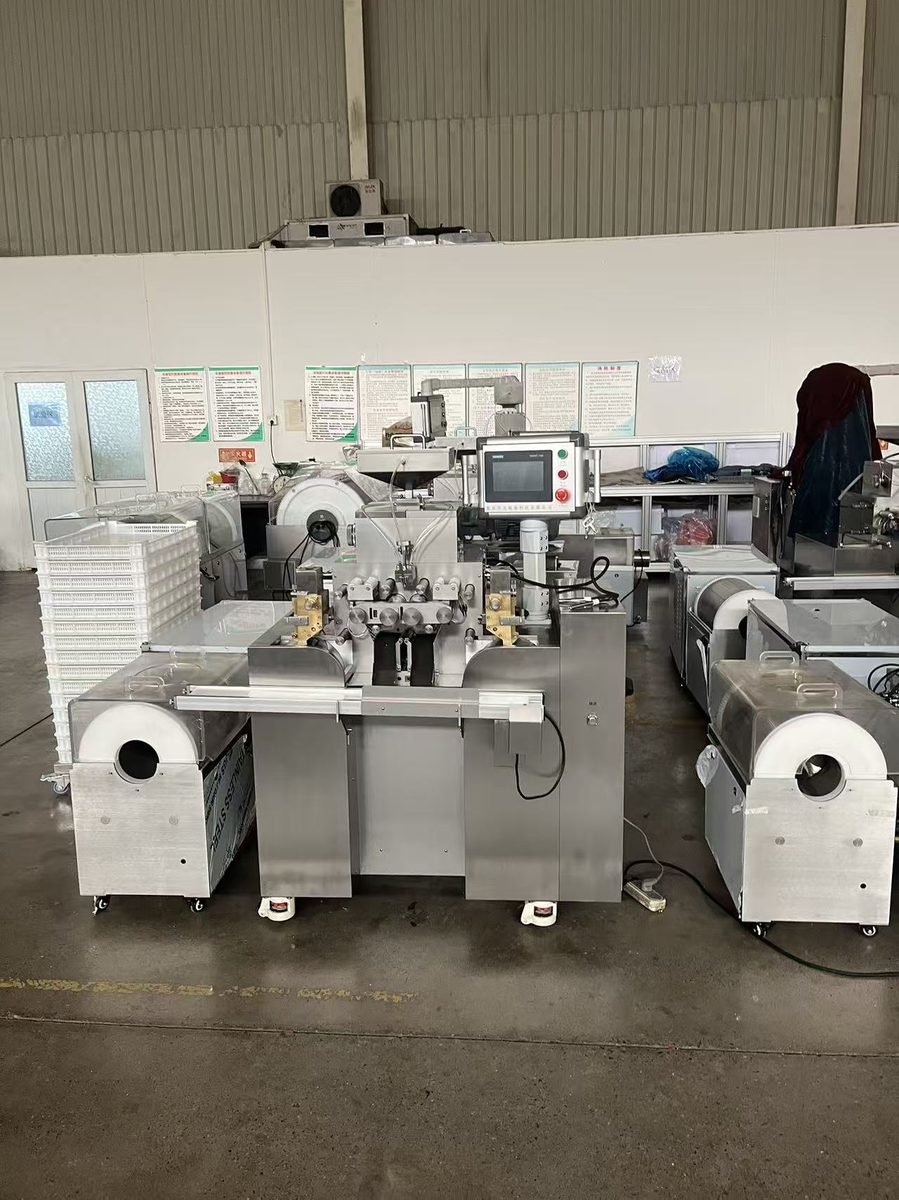
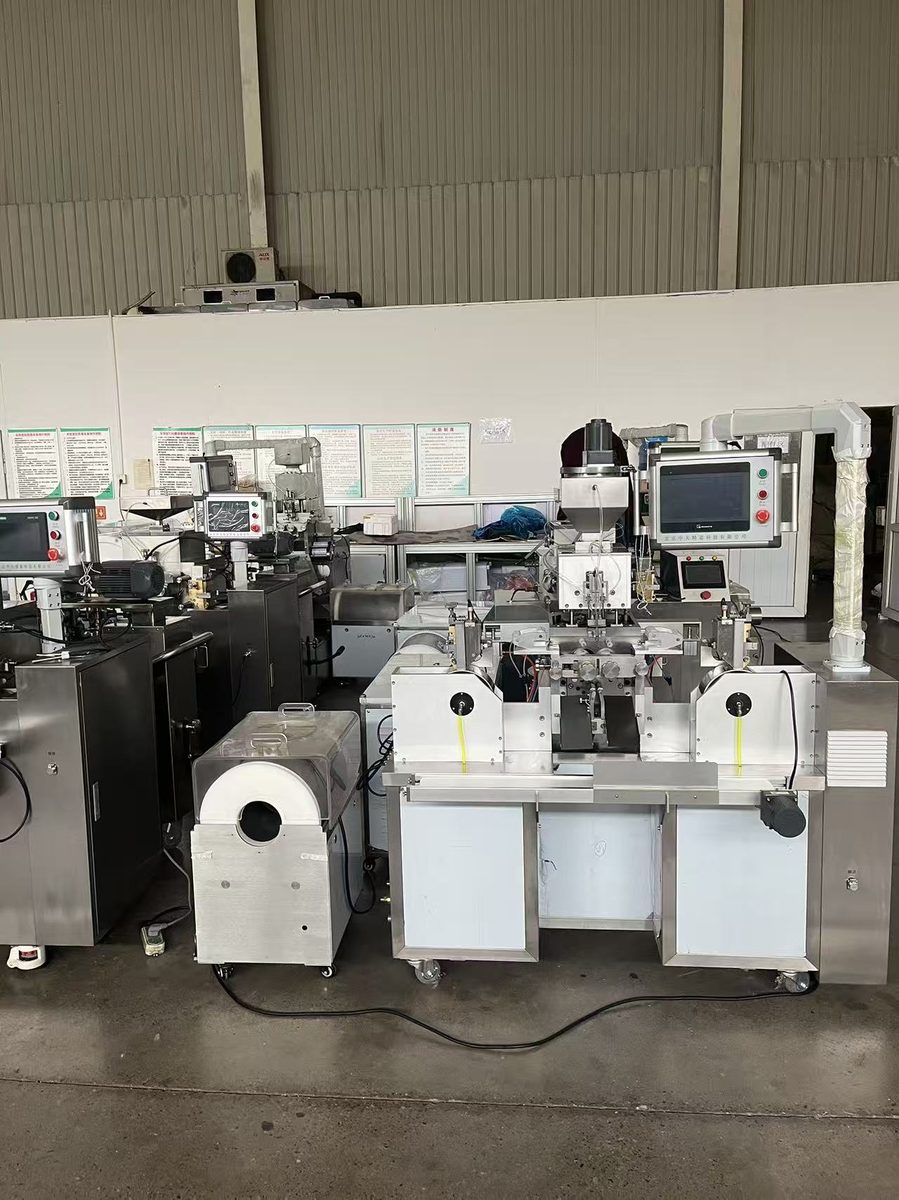
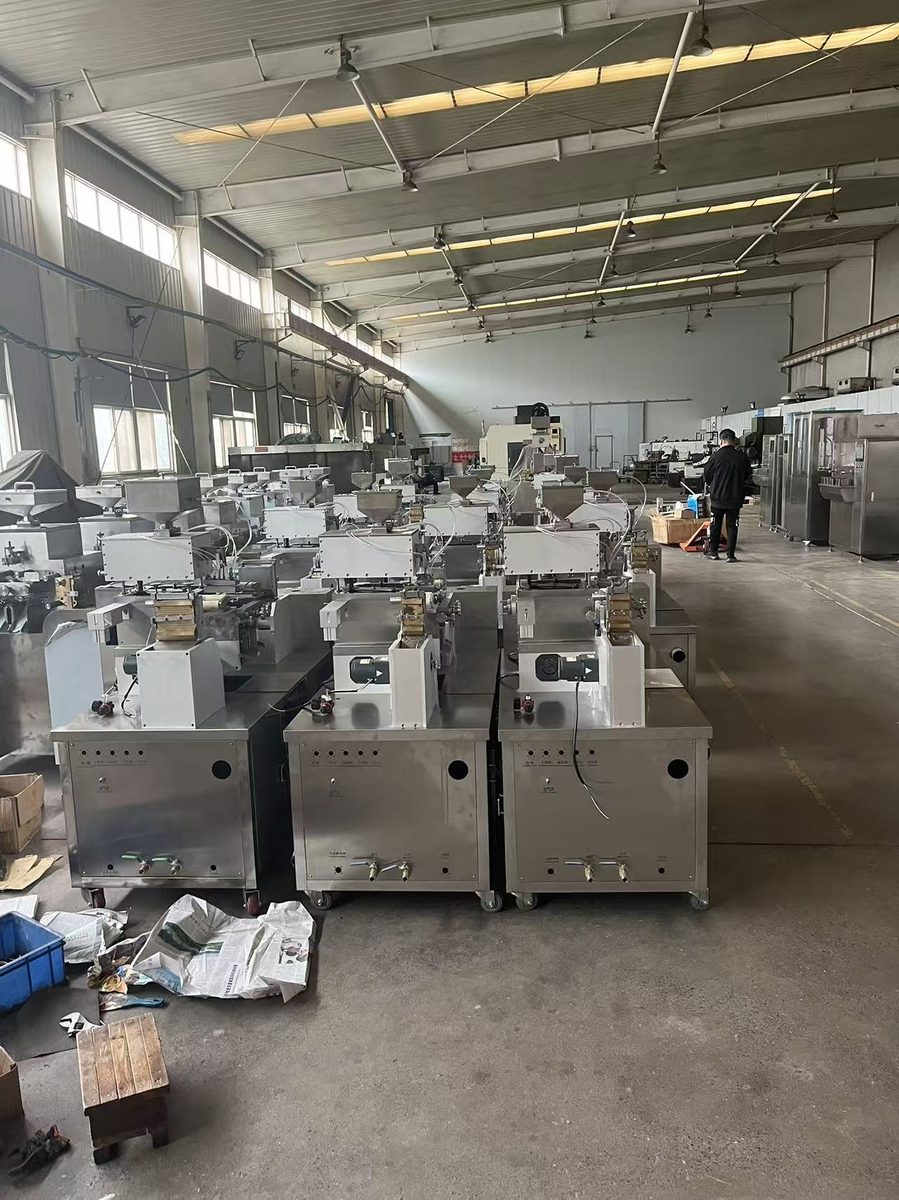
Most popular rotary die encapsulator for medium-scale manufacturing - 20,000 to 30,000 capsules per hour with optional high-speed upgrade.
The RG-300 is our most popular production configuration, balancing throughput and footprint for medium-scale manufacturers and contract manufacturers. With 20,000-30,000 caps/hr capacity and an optional high-speed upgrade to 40,000 caps/hr, it scales with your business.
Verified factory data - not marketing estimates
Servo pump with +/-2% accuracy, optional +/-1% precision flow meter for high-value fills.
20,000-30,000 caps/hr, upgradeable to 40,000 caps/hr for growing demand.
15-30 minute tool-free die swap for oval, oblong, round, cylindrical shapes.
Standard HPMC and pullulan support for halal and kosher supplement lines.
7-inch PLC touch screen with recipe storage and production data export.
316L SS, Ra <=0.4 um, CIP-compatible, full validation documentation.
Our team responds within 2 hours with CIF/CFR/FOB pricing and delivery timeline.
The RG-300 production model ranges from USD 38,000 to 55,000 depending on automation level, accessories, and certification needs. Chinese rotary die machines offer 40 to 60 percent savings versus European brands while meeting CE, cGMP, and ISO 9001 requirements. Request a tailored quotation.
The RG-300 delivers 20,000 to 30,000 capsules per hour as standard, with an optional high-speed upgrade reaching 40,000 capsules per hour. This range suits medium-scale manufacturers and contract manufacturers serving multiple clients with varying batch sizes.
The RG-300 runs on 380V/50Hz three-phase power at 4.5 kW. Main unit dimensions are 1800 x 1200 x 1500 mm with a weight of 850 kg, or 1,200 kg with auxiliary equipment. It requires 0.5 to 0.7 MPa compressed air at 150 L/min.
The machine processes gelatin, HPMC, and pullulan shells with adjustable temperature, humidity, and dosing parameters. HPMC vegetarian capability is standard on RG-300, supporting halal and kosher formulations for supplement brands targeting plant-based consumer markets worldwide.
Standard filling accuracy is +/-2% using servo-controlled gear pumps. An optional precision servo pump with flow meter achieves +/-1% accuracy for high-value formulations. The system handles oils, suspensions, pastes, and semi-solids with in-process weight control and auto-rejection of off-spec capsules.
Die roll changeover takes 15 to 30 minutes with the tool-free quick-release mechanism. A single machine produces oval, oblong, round, cylindrical, and custom shapes in sizes from 5 to 24 mm, or custom mini 3 mm and large 30 mm capsules.
The RG-300 is CE certified and designed to cGMP, FDA 21 CFR Part 11, and ISO 9001 standards. Documentation includes material certificates, weld records, DQ/IQ/OQ/PQ protocols, calibration certificates, and operation manuals suitable for FDA, EMA, and Health Canada submissions.
Yes. Engineers provide 5 to 7 days of on-site installation, commissioning, and training at no extra cost, plus a free Shanghai factory process trial. A 12-month warranty covers parts and labor, with lifetime technical support and spare parts shipped within 48 hours.
Site preparation for the RG-300 begins with securing a cleanroom or pharmaceutical-grade manufacturing space maintained at 22-26 deg C and 30-45% relative humidity. The machine requires 380V/50Hz three-phase power rated at 4.5 kW and a compressed air supply of 0.5-0.7 MPa at 150 L/min. Position the unit on a level, vibration-dampening foundation, allowing 1 meter of clearance on all sides for operator access and maintenance activities. Coordinate with your electrical contractor early to ensure the dedicated circuit meets local safety codes.
Day-to-day operation of the RG-300 demands systematic monitoring and documentation. Before each shift, conduct a visual inspection of die rolls and sealing stations, confirm shell material viscosity is within specification, and run a calibration verification batch. The 7-inch PLC touch screen provides real-time production data including capsule count, reject rate, and pump pressure readings; log these values per batch for quality records. Watch for pressure deviations exceeding 10% from baseline, as these may indicate pump wear or air leaks in the gelatin delivery system.
A structured preventive maintenance schedule protects investment and ensures consistent +/-2% filling accuracy. Weekly: flush the gelatin manifold, inspect and lubricate the die roll bearings, and verify compressed air filter condition. Monthly: replace O-rings and seals, perform a CIP cycle on the filling system, and check electrical connections for tightness and corrosion. Quarterly: calibrate the servo pump against the factory flow certificate, inspect the ribbon sealing mechanism, and verify HMI recipe data integrity. Annual service should include a full mechanical inspection, motor drive assessment, and re-validation of IQ/OQ documentation for regulatory compliance.