If you're specifying a hard capsule filling machine, the first and most consequential decision you make won't be about brand, model, or price — it will be about what you're filling and how. Powder, pellets, and liquids each demand fundamentally different machine architectures. Choose the wrong filling principle, and you'll spend years fighting accuracy problems, maintenance headaches, and formulation failures.
This guide compares the three main capsule filling technologies across the parameters that actually matter for pharmaceutical and nutraceutical manufacturers: fill accuracy, throughput, formulation range, changeover time, maintenance complexity, and total cost of ownership.
Which Markets Need Which Technology?
Powder filling dominates global pharmaceutical production (est. 70%+ of capsules). Pellet/multi-particulate filling is preferred for controlled-release formulations in Europe and high-value nutraceuticals. Liquid filling is growing fastest in probiotic, omega-3, and API suspension applications worldwide.
Part 1: The Three Filling Technologies Explained
Powder Filling (Auger / Dosator / Stamp)
Powder filling uses volumetric displacement to dose powdered formulations into hard capsules. The most widely used principle in pharmaceutical manufacturing.
How it works: Empty capsule shells are separated (body + cap). Powder is dosed into the open capsule body using either a rotating auger, spring-loaded dosator piston, or stamp pin — each producing a measured volume. The cap is then rejoined.
Common applications:
- Antibiotics and anti-infectives
- Vitamins and mineral supplements
- Probiotic powders (lyophilized)
- Analgesics and anti-inflammatory
- Herbal extracts and botanical formulations
Pellet / Multi-Particulate Filling
Pellet filling handles encapsulated spheres or granules — typically 0.3–2.0mm diameter. Enables controlled-release and targeted delivery profiles impossible with powder.
How it works: Pellets are pneumatically or mechanically transferred into capsule bodies. Precision is based on pellet size uniformity and counting mechanism. Often combined with powder fills in the same machine (dual-fill capability).
Common applications:
- Controlled-release formulations (enteric-coated pellets)
- Omeprazole and other acid-resistant formulations
- Combination products (immediate + sustained release in one capsule)
- Probiotic beads and micro-encapsulated ingredients
- High-value API pellets (oncology, cardiovascular)
Liquid / Semi-Solid Filling
Liquid filling encapsulates oils, suspensions, and semi-solids in hard capsules — protecting active ingredients from oxidation and providing superior bioavailability.
How it works: Liquid is drawn into a syringe or piston pump and dispensed directly into the capsule body. Temperature-controlled systems handle viscous or temperature-sensitive formulations. Sealing (banding) is typically required to prevent leakage.
Common applications:
- Omega-3 fish oil and krill oil
- Vitamin E and CoQ10 oils
- Probiotic oils (live cultures in oil suspension)
- API suspensions (antibiotic syrups in capsule form)
- Essential oils and herbal tinctures
Part 2: Head-to-Head Comparison
| Parameter | Powder Filling | Pellet Filling | Liquid Filling |
|---|---|---|---|
| Fill Accuracy | ±2–5% (dosator), ±3–8% (auger) | ±2–4% (counting mechanism) | ±1–3% (piston pump) ✅ Best |
| Typical Throughput | 50,000–300,000 caps/hr | 30,000–150,000 caps/hr | 20,000–100,000 caps/hr |
| Formulation Range | Extremely broad ✅ Best | Moderate (pelletizable formulations) | Moderate (pumpable liquids/semi-solids) |
| Bioavailability | Good (depends on compaction) | Excellent (uniform release) | Best ✅ (no compression needed) |
| Changeover Time | 30–90 min (tool-based) | 60–120 min (complex) | 45–90 min (cleaning-intensive) |
| Maintenance Complexity | Low–Moderate | Moderate–High | Moderate (pump seals, heating) |
| Multi-Fill Capability | Yes (powder + pellet combinations) | Yes (pellet + powder) | Limited |
| Equipment Cost | $$$ (broad range) | $$$$ (specialized) | $$$–$$$$ |
| Cleaning (CIP) Difficulty | Moderate (powder residue) | Moderate (pellet accumulation) | High ⚠️ (oil/suspension residues) |
| Sealing Required | No (interlocking caps suffice) | No | Yes ⚠️ (band sealing needed) |
| Best Market Fit | Universal — all markets | Europe, premium supplements | Nutraceuticals, probiotics, omega-3 |
Part 3: Decision Framework — Which Technology for Your Market?
Choose Powder Filling If…
You need the broadest formulation compatibility and the easiest path to GMP compliance across multiple markets.
- You're manufacturing generic pharmaceuticals (antibiotics, analgesics, cardiovascular)
- You need to handle multiple formulations on the same machine (frequent changeovers)
- You're targeting price-sensitive markets where powder filling offers the best cost/accuracy ratio
- You need the highest throughput (300,000+ caps/hr available)
- Your formulations involve hygroscopic or cohesive powders that don't pump well
YohoAI recommendation: NJP-4800 series — dosator-based powder filling, 100,000–180,000 caps/hr, EU GMP compatible, quick-change parts for multi-formulation production.
Choose Pellet Filling If…
You're focused on premium, differentiated products with controlled-release or combination delivery profiles.
- You're manufacturing enteric-coated or sustained-release formulations (EU market priority)
- Your products require combination fills (immediate + controlled release in one capsule)
- You're targeting probiotic or micro-encapsulated ingredients with superior stability requirements
- You need to differentiate from commodity generic manufacturers (premium positioning)
- Your pellets are pre-manufactured (outsourced) and you only need the filling step
YohoAI recommendation: NJP-HC series — pellet + powder dual-fill capability, 50,000–100,000 caps/hr, specifically designed for European pharmaceutical standards.
Choose Liquid Filling If…
Your formulations are oils, suspensions, or temperature-sensitive actives where bioavailability and stability are paramount.
- You're focused on omega-3, krill oil, or vitamin oils (nutraceutical market)
- You're manufacturing probiotic products in oil suspension (growing segment)
- Your API has superior bioavailability in liquid form (certain herbal extracts, steroids)
- You want to differentiate on product performance (liquid = perceived premium)
- You can absorb the additional cost of banding sealing and intensive cleaning protocols
YohoAI recommendation: NJP-L series — temperature-controlled liquid filling, 30,000–80,000 caps/hr, with integrated banding sealer, designed for omega-3 and probiotic applications.
Part 4: The Hybrid Trend — Multi-Fill Machines
The most versatile machines emerging in 2025-2026 are multi-fill capsule fillers that combine two or three filling principles in a single platform. This is particularly relevant for:
- European pharmaceutical companies producing both standard powders and controlled-release pellets
- Contract manufacturers serving multiple clients with different formulation types
- Premium nutraceutical brands combining powder actives with pellet-encapsulated probiotics
Multi-fill machine capabilities:
- Powder + Pellet (most common hybrid)
- Powder + Liquid (powder body fill + liquid topping)
- Pellet + Liquid (controlled-release pellets + omega-3 overlay)
- Triple-fill: Powder + Pellet + Liquid (advanced platforms only)
Our Verdict
For most pharmaceutical and nutraceutical buyers, a well-specified powder filling machine offers the best combination of versatility, accuracy, throughput, and ease of GMP compliance. If your market demands controlled-release formulations, invest in a pellet-capable dual-fill machine. If you're exclusively in the omega-3, probiotic oil, or API suspension segment, choose a dedicated liquid filling line with proper sealing capability.
Part 5: Maintenance & Changeover Comparison
Changeover Time by Technology
Changeover time directly affects your production flexibility and number of batches you can run per shift. Here's what to expect:
| Machine Type | Typical Changeover | Difficulty | Notes |
|---|---|---|---|
| Powder (dosator) | 30–60 min | Low–Moderate | Exchange dosing tubes and punch sets |
| Powder (auger) | 45–90 min | Moderate | Clean auger, adjust fill volume |
| Pellet (counting) | 60–120 min | Moderate–High | Pellet transfer system cleaning |
| Liquid (piston pump) | 60–120 min | High | Intensive CIP; heating system purge |
| Multi-fill (powder + pellet) | 90–150 min | High | Both systems need adjustment |
Not Sure Which Capsule Filler Is Right for Your Formulation?
YohoAI's technical team will help you select the optimal filling technology based on your formulation, target market, and production volume — with free formulation compatibility testing consultation.
Request Technical ConsultationRelated Equipment
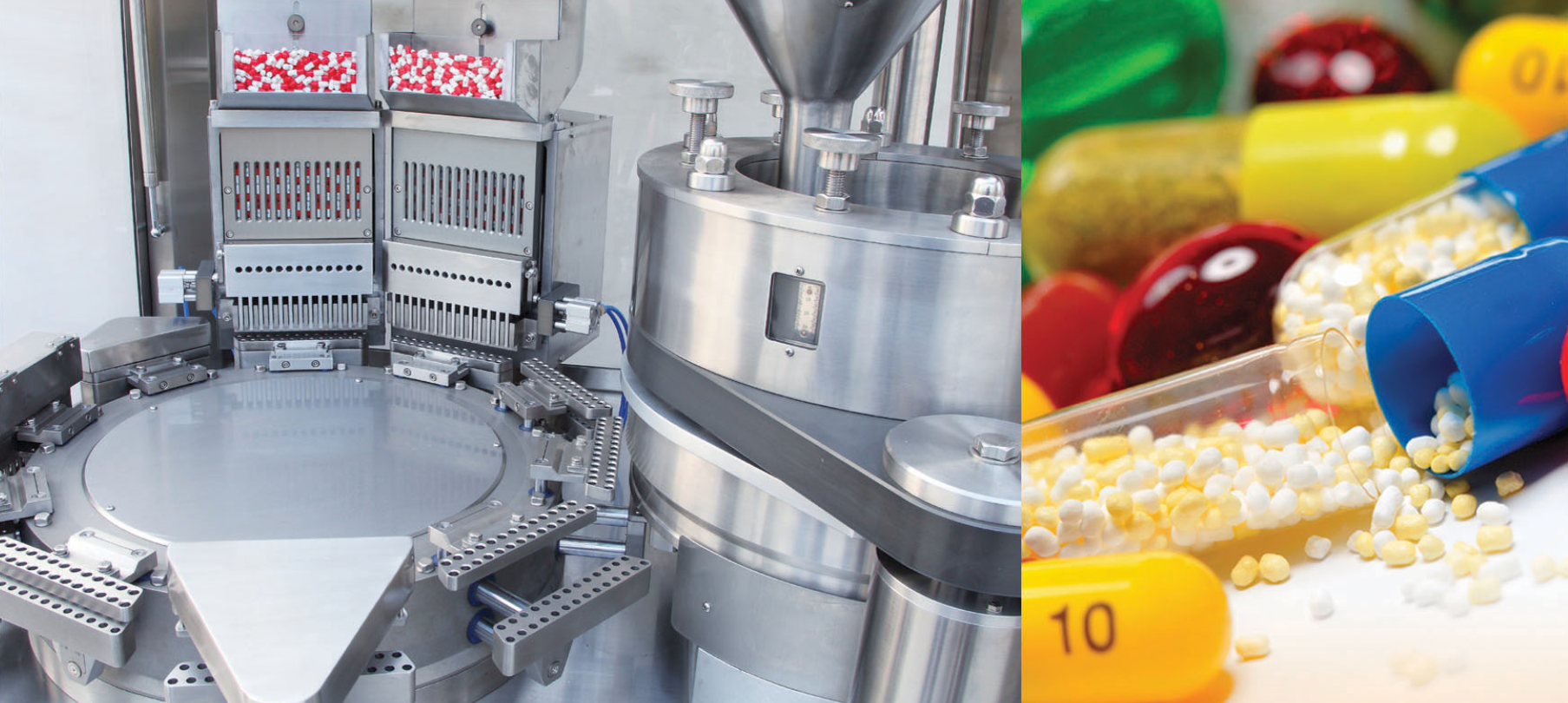
NJP Series Hard Capsule Filling Machine
Powder, pellet & liquid filling | 50,000–300,000 caps/hr | EU GMP compatible | CE certified
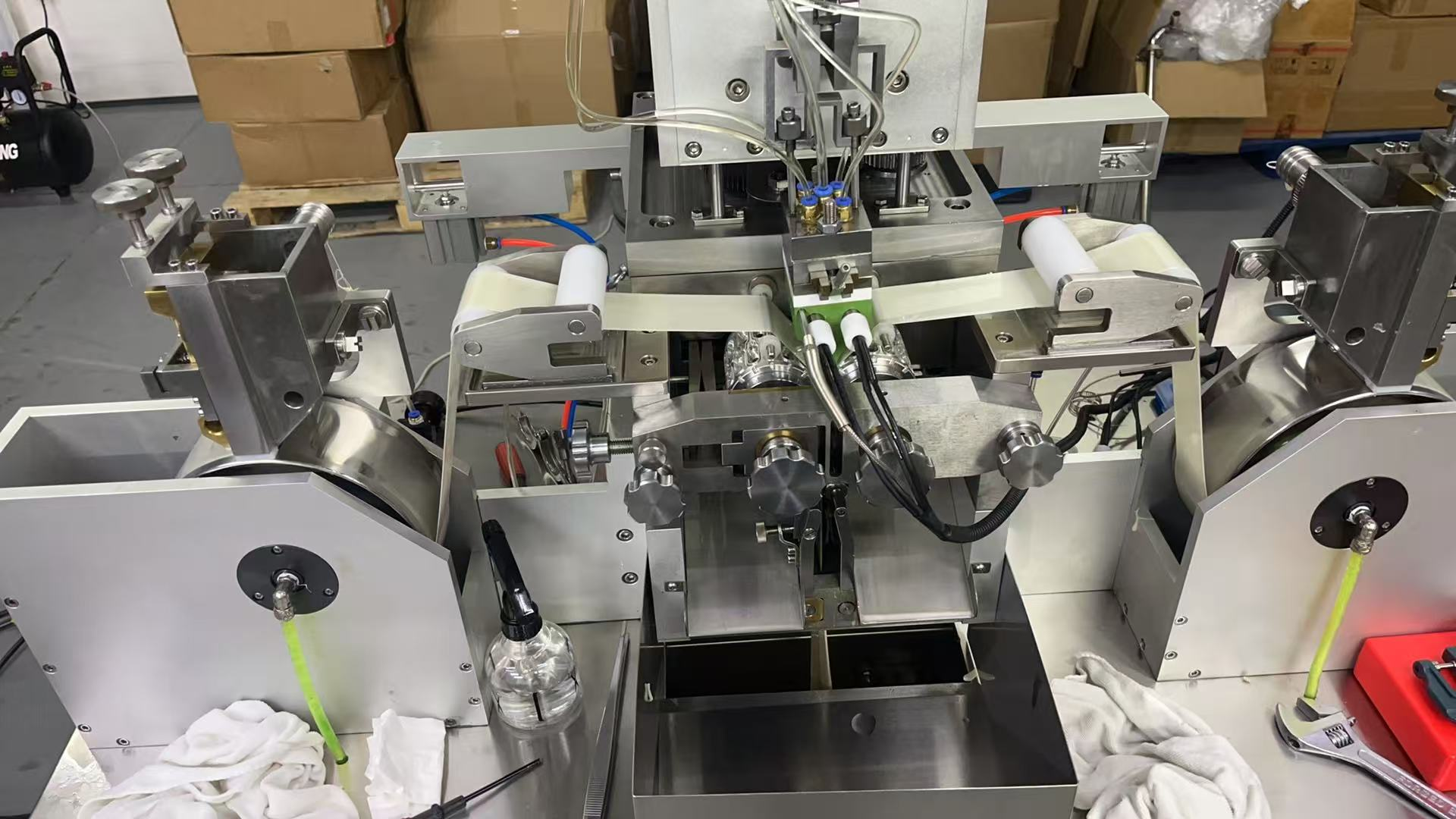
Soft Capsule Production Line
NJP series softgel encapsulation | 30,000–180,000 caps/hr | CE & cGMP certified
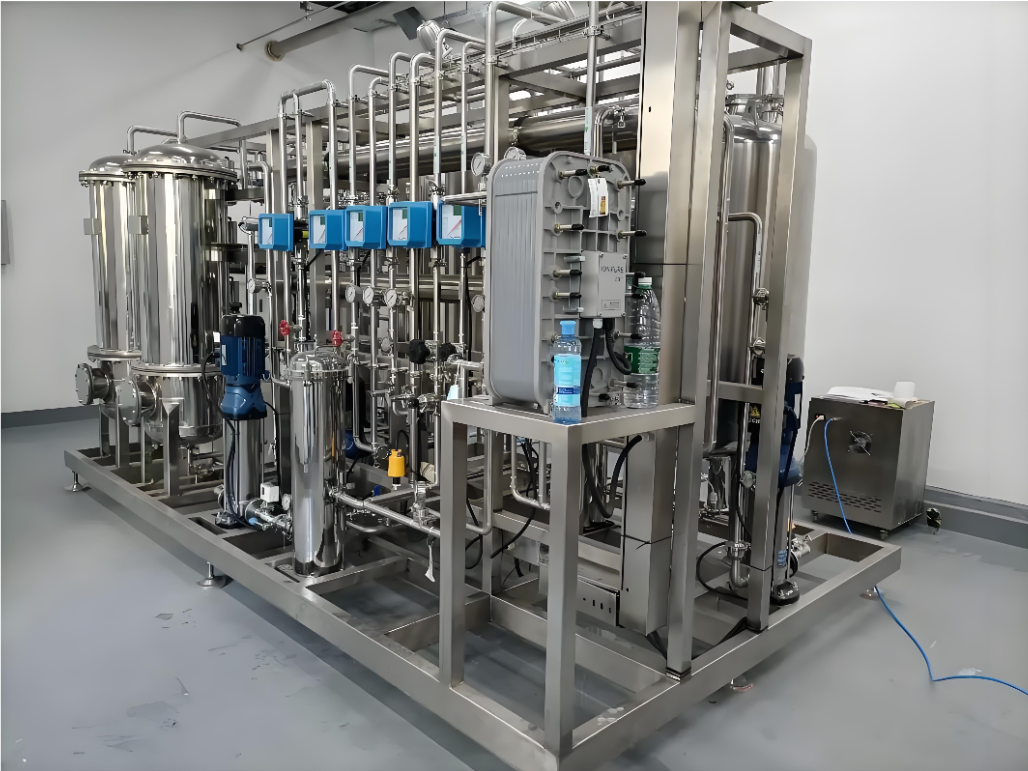
PW Series Purified Water System
GMP-compliant WFI-quality water for pharmaceutical production | EU GMP Annex 1 compatible